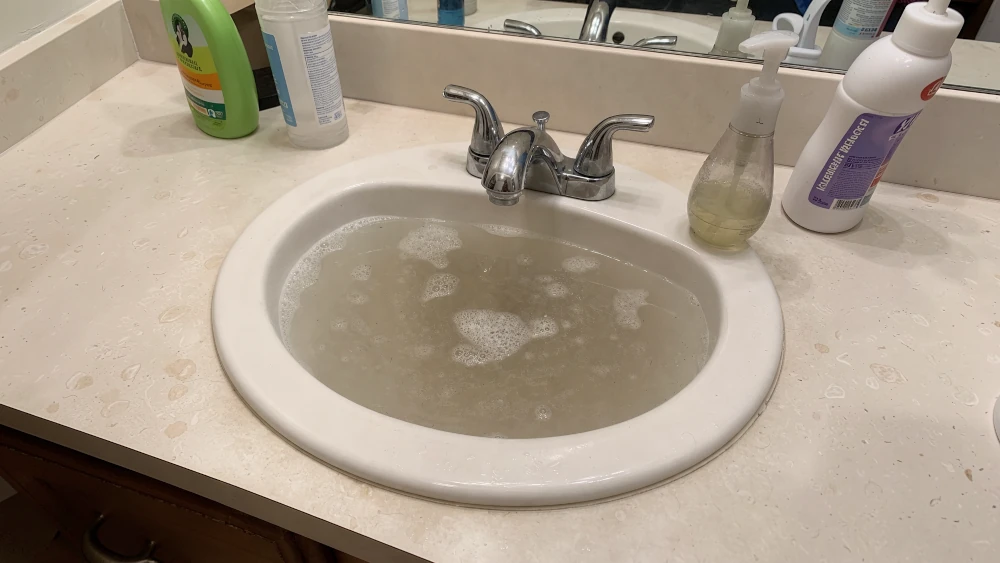
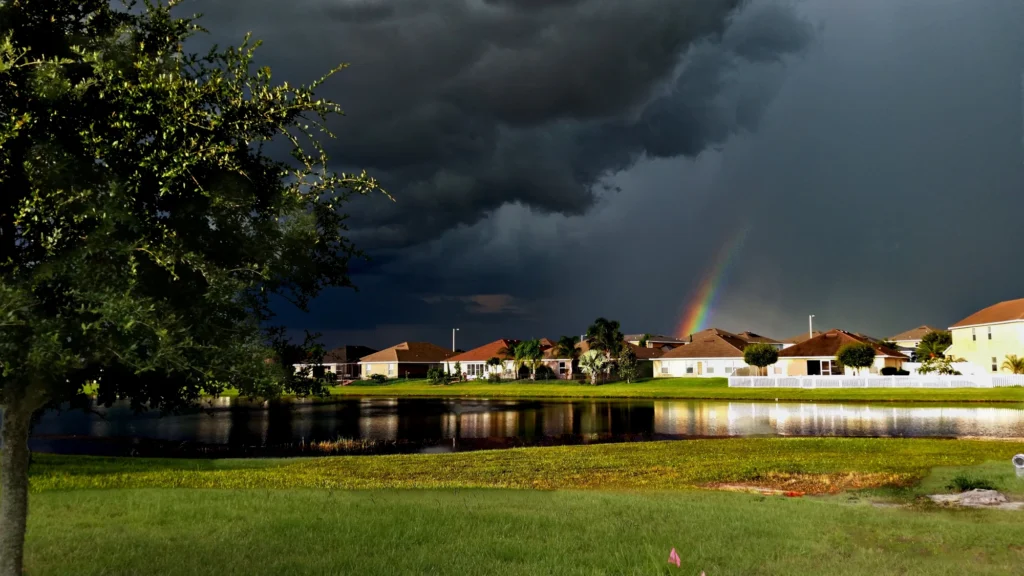
Florida homeowners are used to sudden afternoon downpours, tropical systems, and weeks of wet weather during the rainy season. But all that water does more than flood streets and soak lawns. It can also put extra pressure on sewer and drainage systems. In some cases, the result is a sewer backup after heavy rain that sends wastewater back toward sinks, tubs, showers, or floor drains.
Knowing why this happens—and recognizing the warning signs early—can help you protect your home and avoid a much larger plumbing problem.
Why Heavy Rain Can Lead to Sewer Backups
A sewer line is designed to move wastewater away from your home. During periods of intense rainfall, however, the ground can become saturated and municipal sewer systems may be handling far more water than normal. If there is already a weakness, blockage, or damaged section in your plumbing system, those conditions can make a sewer backup after heavy rain more likely.
Heavy rain does not always directly clog a pipe. Instead, it often exposes problems that were already developing. Grease buildup, debris, tree roots, damaged pipes, and partially blocked sewer lines may continue working under normal conditions but struggle when the surrounding drainage system is under additional stress.
That means a sewer backup after heavy rain may actually be a warning that your sewer line needs cleaning, inspection, or repair.
Saturated Soil Can Affect Underground Sewer Lines
Central Florida soil can hold a significant amount of water during the rainy season. When the ground becomes saturated, the soil around underground pipes may shift or place additional pressure on older sewer lines. Existing cracks or weak connections can become more vulnerable.
Tree roots can also take advantage of small openings in sewer pipes. Once roots enter a line, they can catch toilet paper, grease, and other debris, gradually forming a blockage. When stormwater saturates the surrounding ground, an already restricted pipe may have less room for error, increasing the chance of a sewer backup after heavy rain.
Homes with older plumbing or a history of recurring drain problems should be especially alert during periods of prolonged rainfall.
Municipal Sewer Systems Can Become Overloaded
Your home’s plumbing system does not operate completely on its own. Wastewater eventually connects to a larger sewer network. During major storms, some public systems can become overwhelmed by high volumes of water, especially when stormwater enters areas of the sewer infrastructure.
When downstream flow slows, pressure can build within the system. Homes with low drains, vulnerable sewer connections, or existing line problems may notice symptoms first. A sewer backup after heavy rain may therefore involve both conditions on your property and conditions farther along the sewer system.
While you cannot control the municipal system, keeping your own sewer line clean and free-flowing can help eliminate one major risk factor.
Warning Signs You Should Not Ignore
A full sewage backup is usually not the first indication that something is wrong. Your plumbing may give you several warnings before wastewater actually enters the home.
Common warning signs include:
- Multiple drains becoming slow at the same time
- Toilets bubbling or gurgling
- Water rising in a shower or tub when another fixture is used
- Foul sewer odors coming from drains
- Unusual bubbling or draining noises
- Water appearing around a floor drain
- Recurring clogs throughout the home
If these symptoms become worse during or immediately after a storm, there may be an increased risk of a sewer backup after heavy rain. Multiple affected fixtures are especially important because they can point to a problem in the main sewer line rather than a simple clog in one sink or shower.
What Should You Do If Sewage Starts Backing Up?
If wastewater begins coming up through a drain, stop using water inside the house as much as possible. Running the washing machine, taking a shower, flushing toilets, or using the dishwasher can send additional water into a sewer line that may already be blocked.
Avoid contact with sewage and keep children and pets away from contaminated areas. A sewer backup after heavy rain can involve bacteria and other contaminants, so it should be treated differently from an ordinary plumbing leak.
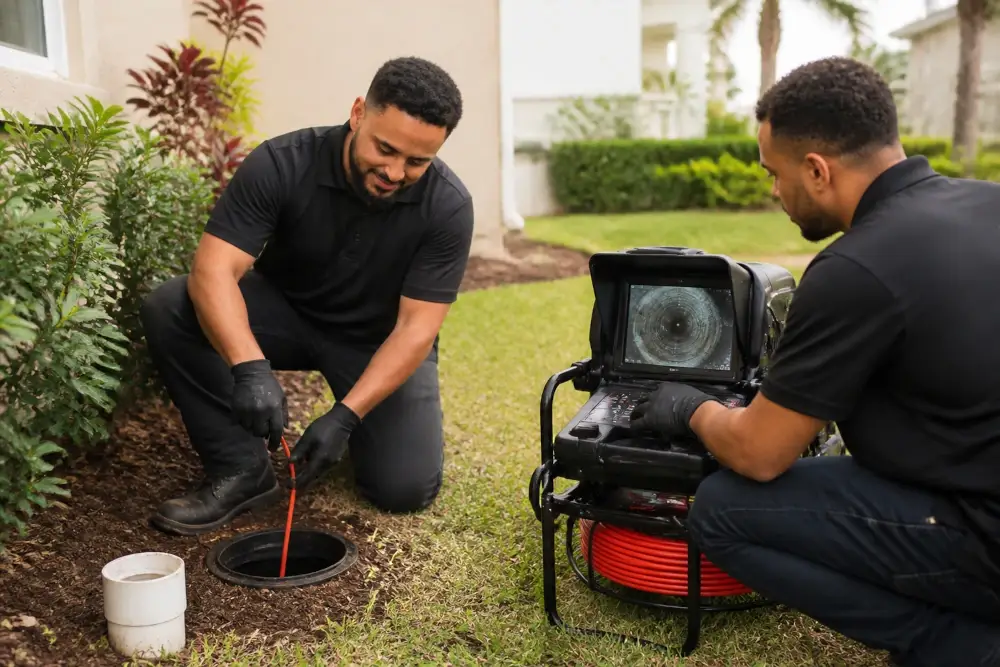
The next step is determining why the line is backing up. Professional drain cleaning may be able to remove a blockage, while a drain line camera inspection can help locate roots, damaged pipe sections, heavy buildup, or other problems that are difficult to identify from the surface.
How Drain Line Camera Inspections Help
One of the biggest mistakes homeowners can make is assuming every backup is caused by the same type of clog. Snaking a line may restore flow temporarily, but recurring problems often require a closer look.
A camera inspection allows a plumbing professional to see inside the drain or sewer line and identify the actual cause of the problem. If a sewer backup after heavy rain keeps returning, an inspection can help determine whether the issue involves roots, buildup, pipe damage, or another obstruction.
A camera inspection can also help determine whether a storm simply exposed an existing problem that had been developing long before the rain arrived.
Knowing what is happening inside the pipe makes it easier to choose the appropriate solution instead of repeatedly treating the symptoms.
Can Hydro Jetting Help Prevent Future Backups?
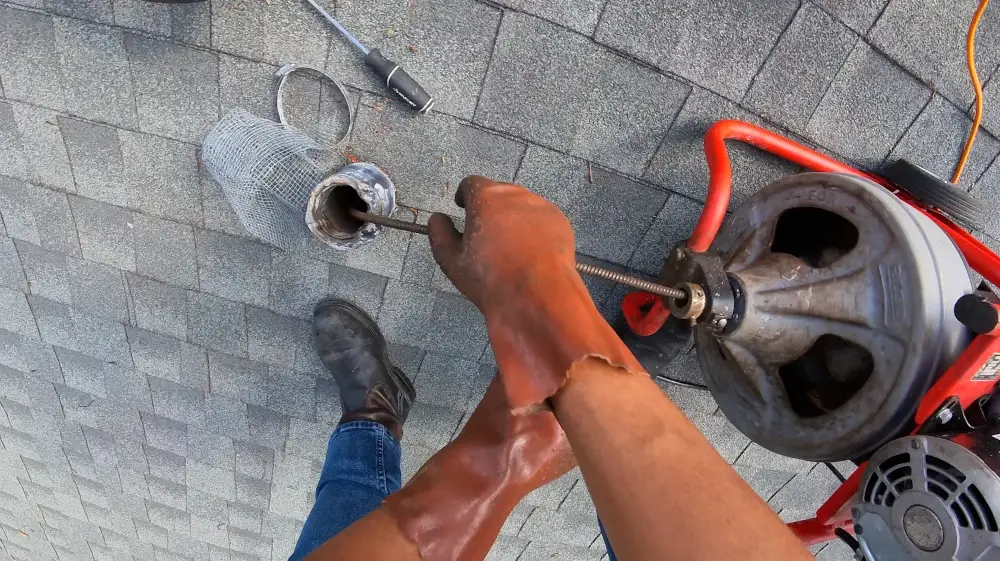
For sewer lines affected by heavy grease, sludge, mineral deposits, or other buildup, hydro jetting may be an effective option. Hydro jetting uses high-pressure water to clean the interior walls of the pipe more thoroughly than simply punching a path through a clog.
That can be especially useful when recurring buildup contributes to a sewer backup after heavy rain. Removing accumulated material can restore more of the pipe’s usable diameter and allow wastewater to flow more freely.
However, the condition of the pipe should be considered before hydro jetting is performed, which is another reason a professional inspection can be valuable.
How Florida Homeowners Can Reduce the Risk
You cannot control how much rain Florida receives, but you can reduce the chances that an existing plumbing problem turns into an emergency.
Pay attention to slow drains and recurring clogs instead of waiting for them to become severe. Avoid pouring grease, cooking oils, food scraps, wipes, or other clog-forming materials down your drains. If several fixtures are draining slowly at once, consider having the main line inspected before the next major storm.
Preventive drain cleaning can also remove buildup before it becomes a complete blockage. If your home has experienced a previous sewer backup after heavy rain, recurring symptoms should be investigated rather than treated as a one-time inconvenience.
It’s also smart to pay attention to how your plumbing behaves during Florida’s wettest months. If everything works normally during dry weather but problems repeatedly appear after major storms, there may be an underlying issue worth investigating. Repeatedly experiencing a sewer backup after heavy rain is a strong sign that something more than the weather may be involved.
Don’t Let the Next Florida Storm Catch Your Drains Off Guard
Florida’s rainy season can expose plumbing problems quickly. Slow drains, gurgling toilets, unpleasant odors, and recurring backups are all signs that your sewer line may need attention.
The Godfather Solution provides professional drain cleaning, hydro jetting, and drain line camera inspection services throughout Central Florida. If you are concerned about a sewer backup after heavy rain, our team can help identify the cause and recommend the right solution before the next storm puts your plumbing to the test.
A sewer backup after heavy rain can turn from a minor warning sign into a messy household emergency quickly. Taking care of recurring drain problems now can help keep wastewater moving in the direction it belongs.
Don’t wait until your drains make you an offer you can’t refuse. Contact The Godfather Solution to schedule service and get your plumbing ready for whatever Florida’s rainy season sends your way.