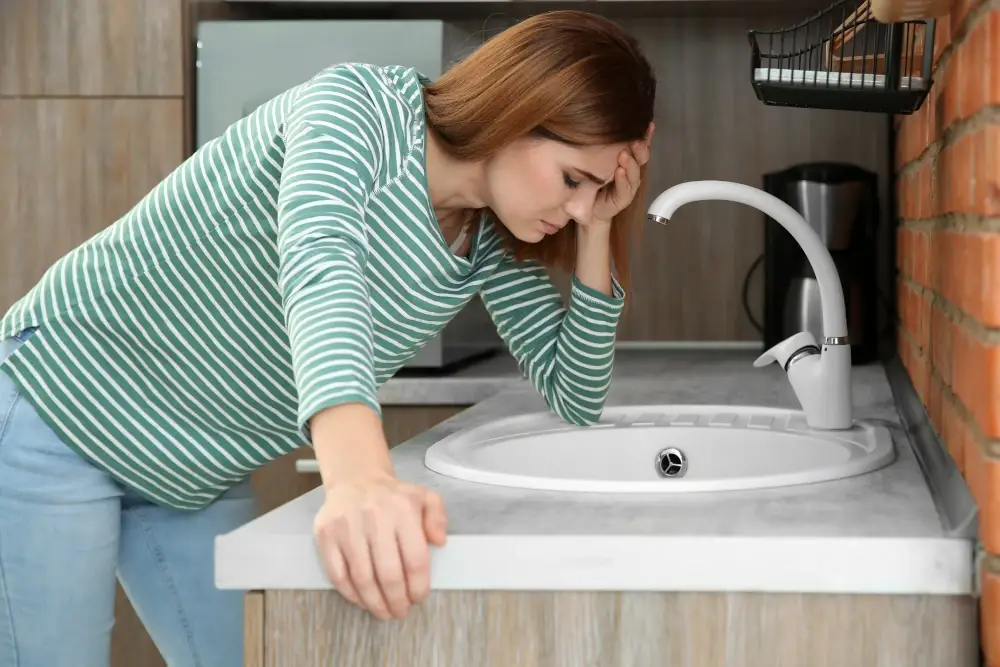
If you’ve ever noticed a foul odor coming from your sinks, showers, or floor drains during the warmer months, you’re not alone. Many homeowners and business owners across Central Florida experience stronger drain odors as temperatures and moisture levels increase. While clogged drains and sewer issues can create unpleasant smells year-round, Florida humidity often makes those odors much more noticeable.
Understanding why this happens can help you identify potential plumbing issues before they become costly repairs. In this article, we’ll explain how Florida humidity affects your drains, what causes those unpleasant odors, and what you can do to keep your plumbing system smelling fresh.
How Florida Humidity Impacts Drain Odors
Florida is known for its hot, humid climate, especially from late spring through early fall. As humidity levels rise, the air becomes saturated with moisture. This excess moisture can intensify odors that might otherwise go unnoticed.
Odor molecules travel more easily in humid air, making smells seem stronger and linger longer. Even a minor plumbing issue that produces only a slight odor during cooler months can become much more noticeable when Florida humidity increases.
In addition, warm temperatures accelerate bacterial growth inside drains. The combination of moisture, heat, and organic material creates the perfect environment for odor-producing bacteria to thrive.
Common Causes of Smelly Drains During Humid Weather
Buildup of Organic Material
Over time, soap scum, grease, hair, food particles, and other debris can accumulate inside drain pipes. As this material decomposes, it produces unpleasant odors.
During periods of high Florida humidity, bacteria break down this organic matter more quickly, often resulting in stronger smells coming from kitchen sinks, bathroom drains, and utility drains.
Dry P-Traps
Every drain fixture in your home contains a P-trap, which is the curved section of pipe designed to hold water. This water creates a seal that prevents sewer gases from entering your living space.
If a sink, shower, or floor drain isn’t used frequently, the water in the trap can evaporate. Once the seal disappears, sewer gases can travel into the building.
While humidity itself doesn’t directly dry out a trap, the increased moisture in the air often makes sewer odors more noticeable once they enter your home.
Biofilm Growth
Biofilm is a slimy layer of bacteria that develops on the inside walls of drain pipes. It feeds on organic waste and can create strong odors as it grows.
Warm temperatures combined with Florida humidity encourage rapid biofilm development. This is especially common in bathroom sinks, shower drains, and commercial kitchen plumbing systems.
Sewer Line Issues
Sometimes the smell isn’t coming from the drain itself but from a larger problem within the sewer line. Cracks, blockages, root intrusion, or damaged vent pipes can allow sewer gases to escape.
When humidity levels rise, these odors often become stronger and more persistent throughout the property.
Signs You May Need Professional Drain Cleaning
While occasional odors can be normal, persistent smells often indicate a plumbing issue that requires attention. Watch for these warning signs:
- Frequent drain odors that return after cleaning
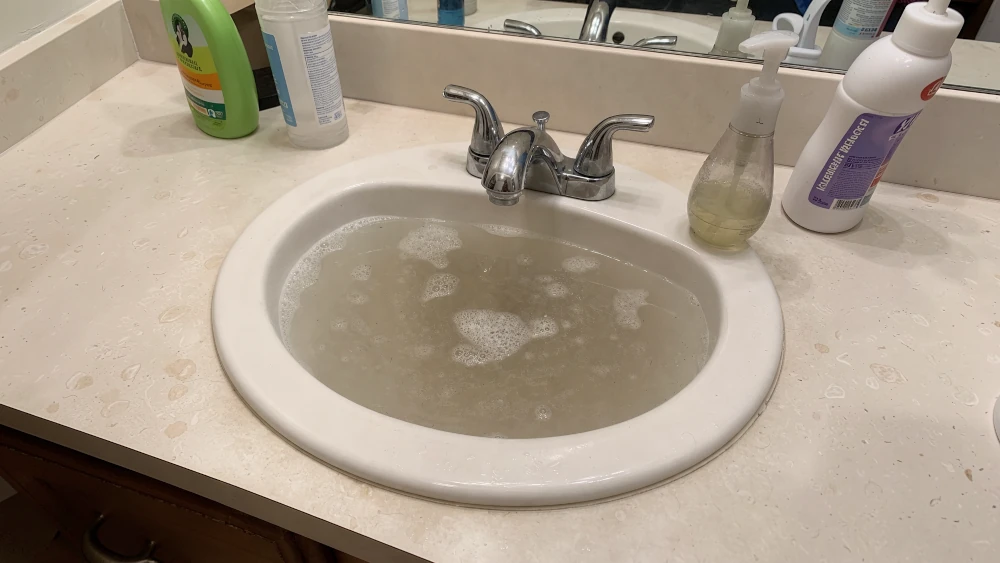
- Slow-draining sinks, tubs, or showers
- Gurgling noises from drains or toilets
- Multiple drains producing odors at the same time
- Sewage smells near sinks, floor drains, or outdoors
- Recurring clogs
These symptoms often point to buildup, blockage, or sewer line issues that professional equipment can address more effectively than store-bought drain cleaners.
How Professional Drain Cleaning Helps
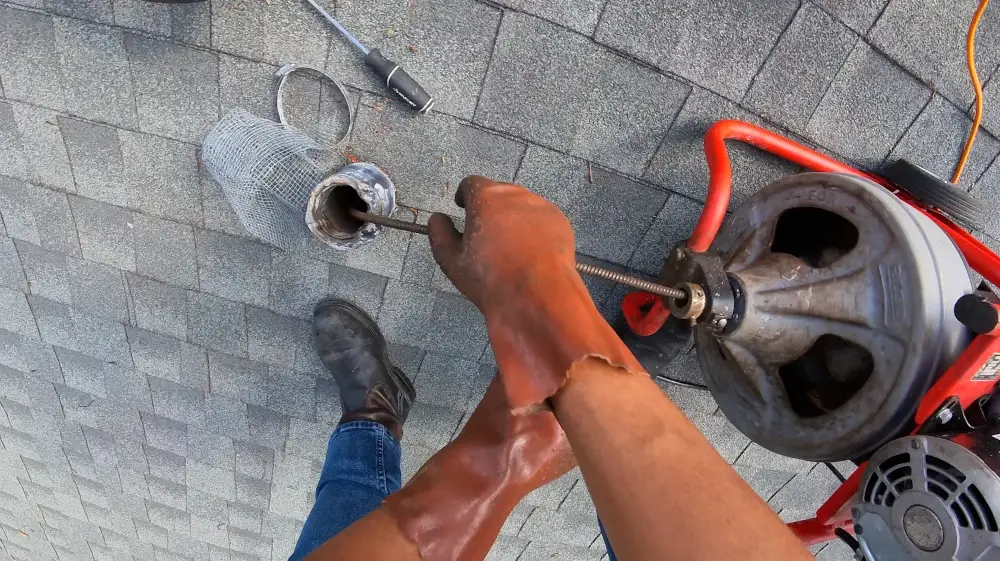
Professional drain cleaning removes the buildup that causes many odor problems. Depending on the condition of the drain system, plumbers may use methods such as drain snaking, mechanical cleaning, or hydro jetting.
Hydro jetting is particularly effective because it uses high-pressure water to remove grease, sludge, soap scum, biofilm, and other debris from the interior walls of pipes.
A thorough cleaning not only eliminates existing odors but also helps prevent future buildup that can worsen when Florida humidity increases.
For recurring odor issues, a drain line camera inspection may also be recommended to identify hidden problems such as root intrusion, pipe damage, or severe blockages.
Preventing Drain Odors During Humid Months
Fortunately, there are several simple steps you can take to minimize odors:
Flush Drains Regularly
Run water through rarely used sinks, showers, and floor drains to keep P-traps full and maintain the sewer gas barrier.
Avoid Pouring Grease Down Drains
Grease buildup is one of the leading causes of odor-producing bacteria in kitchen drains.
Use Drain Screens
Screens help prevent hair, food particles, and debris from entering the plumbing system.
Schedule Preventive Drain Cleaning
Routine maintenance removes buildup before it can become a source of odors and clogs.
Address Slow Drains Early
Slow drainage is often an early sign of developing blockages that can lead to stronger smells over time.
Don’t Let Florida Humidity Turn Minor Odors Into Major Problems
The combination of heat, moisture, and bacterial growth makes Florida humidity a major contributor to stronger drain odors throughout the year. While the humidity itself isn’t usually the direct cause of the smell, it often magnifies existing plumbing issues that need attention.
If your drains have started producing persistent odors, don’t ignore the warning signs. Professional drain cleaning and inspection services can identify the source of the problem, restore proper flow, and help keep your home or business smelling fresh—even during Florida’s most humid months.