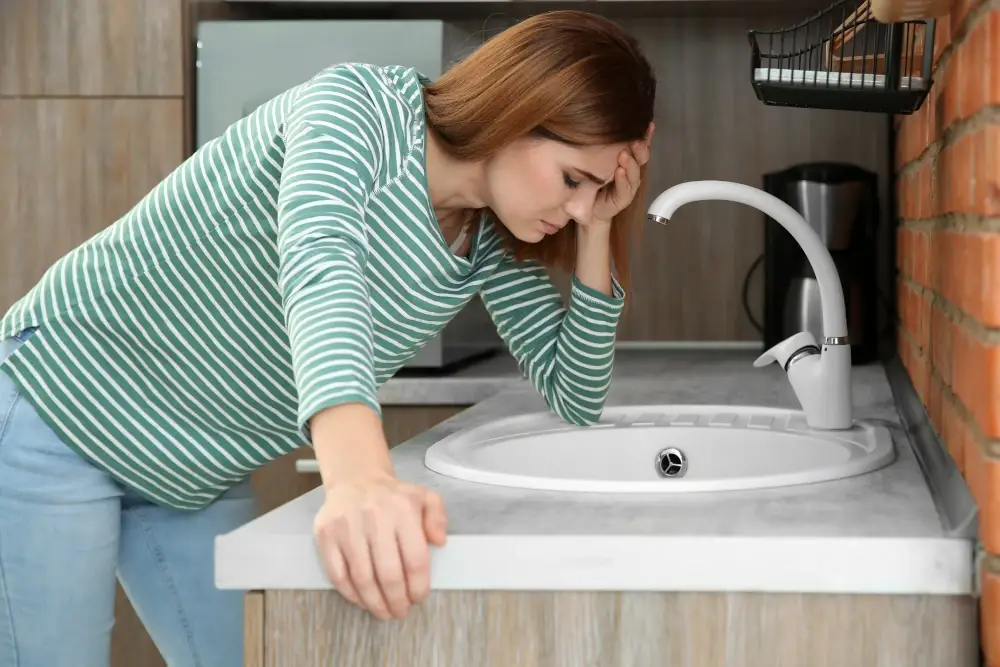
If you’ve noticed slow drains becoming more of a problem in April, you’re not imagining things. As temperatures rise and spring activity ramps up, your plumbing system starts dealing with a perfect storm of conditions that can turn minor drainage issues into frustrating, full-blown clogs.
Understanding why slow drains get worse this time of year can help you take action early—before you’re dealing with backups, unpleasant odors, or costly repairs.
Warmer Temperatures Speed Up Buildup
One of the biggest reasons slow drains worsen in April is simple: heat.
As the weather warms up, substances inside your pipes—like grease, soap scum, and organic debris—begin to soften and shift. While that might sound like a good thing, it actually makes the situation worse. Instead of staying stuck in one place, these materials start to move, combine, and spread throughout your pipes.
The result? A sticky, sludge-like buildup that narrows the pipe and slows water flow even more.
Increased Water Usage in Spring
April tends to bring more activity into homes and businesses. Whether it’s guests visiting for spring events, kids home more often, or just general seasonal cleaning, your plumbing system is under more pressure.
More showers, more laundry, more dishwashing—it all adds up. And if your pipes already have partial blockages, that extra usage pushes them closer to failure.
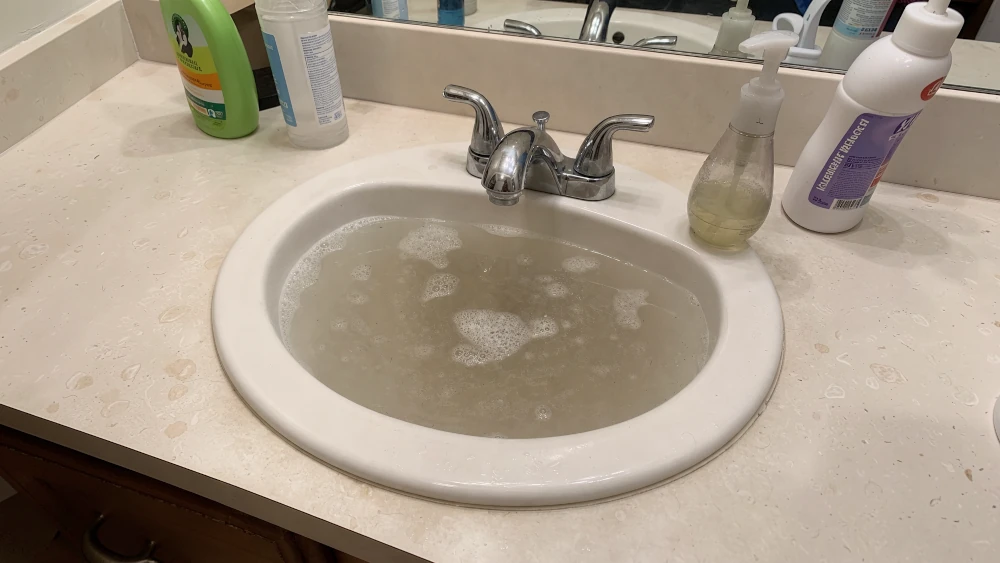
Slow drains that seemed manageable in the winter can quickly turn into standing water in sinks, tubs, or floor drains.
Outdoor Factors Play a Role Too
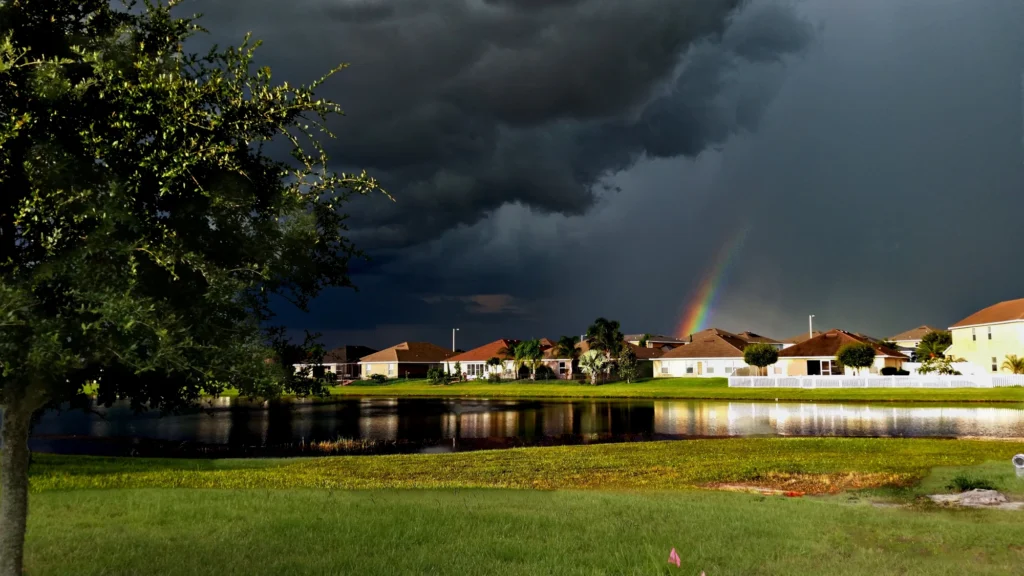
Spring isn’t just about what’s happening inside your home—it affects your underground plumbing as well.
April showers soften the ground, which can lead to:
- Tree roots growing more aggressively toward moisture sources (like your sewer line)
- Soil shifting around pipes, potentially causing misalignment or cracks
- Increased debris entering outdoor drains and washing into your system
Tree roots, in particular, are a major cause of slow drains this time of year. They can infiltrate tiny cracks in your pipes and expand, restricting water flow and trapping debris.
Bacteria and Odor Get Worse in Heat
If you’ve noticed unpleasant smells coming from your drains in April, that’s another sign of trouble.
Warmer temperatures create the perfect environment for bacteria to thrive inside your pipes. As organic material builds up, bacteria feed on it and release foul-smelling gases.
This doesn’t just make your space uncomfortable—it’s often a warning sign that your slow drains are becoming more severe and need attention.
Small Issues Escalate Faster
One of the biggest mistakes people make is ignoring slow drains because they seem like a minor inconvenience. But in April, those small issues can escalate quickly.
A partial clog can become a full blockage in a matter of weeks due to:
- Increased usage
- Warmer temperatures accelerating buildup
- Additional debris entering the system
By the time water stops draining completely, the problem is usually more complicated—and more expensive—to fix.
How to Stay Ahead of Slow Drains in April
The good news is that you don’t have to wait for a plumbing emergency. Taking a proactive approach can keep your drains flowing smoothly all season long.
Here are a few simple steps:
1. Watch for Early Warning Signs
Pay attention to slow-moving water, gurgling sounds, or recurring clogs. These are all indicators that buildup is forming.
2. Avoid Adding to the Problem
Keep grease, food scraps, hair, and other debris out of your drains whenever possible. Even small amounts can contribute to bigger issues over time.
3. Flush Drains Regularly
Running hot water or using safe, non-corrosive cleaning solutions can help reduce minor buildup before it becomes a blockage.
4. Schedule Professional Cleaning
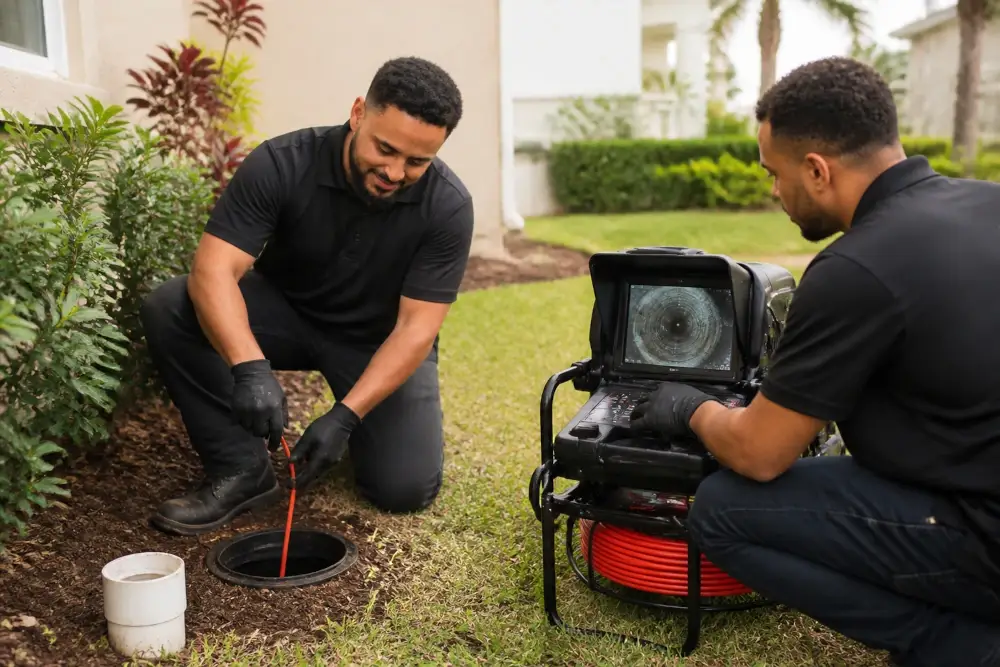
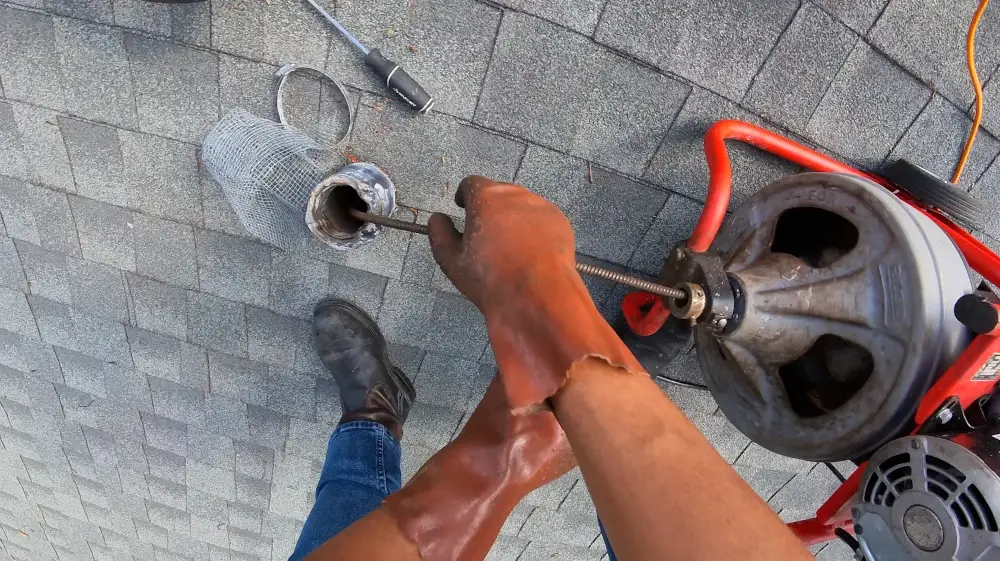
If you’re already dealing with slow drains, professional drain cleaning is the most effective way to remove deep buildup and restore proper flow. Methods like hydro jetting can clear out grease, debris, and even tree roots.
Don’t Let April Turn Into a Plumbing Problem
April might bring warmer weather and longer days, but it also brings increased strain on your plumbing system. Ignoring slow drains now can lead to major disruptions later.
Taking action early—whether through better habits or professional maintenance—can save you time, money, and frustration.
If your drains are already slowing down, it’s a sign your system needs attention. Addressing the issue now ensures your plumbing stays reliable as you head into the even busier summer months.