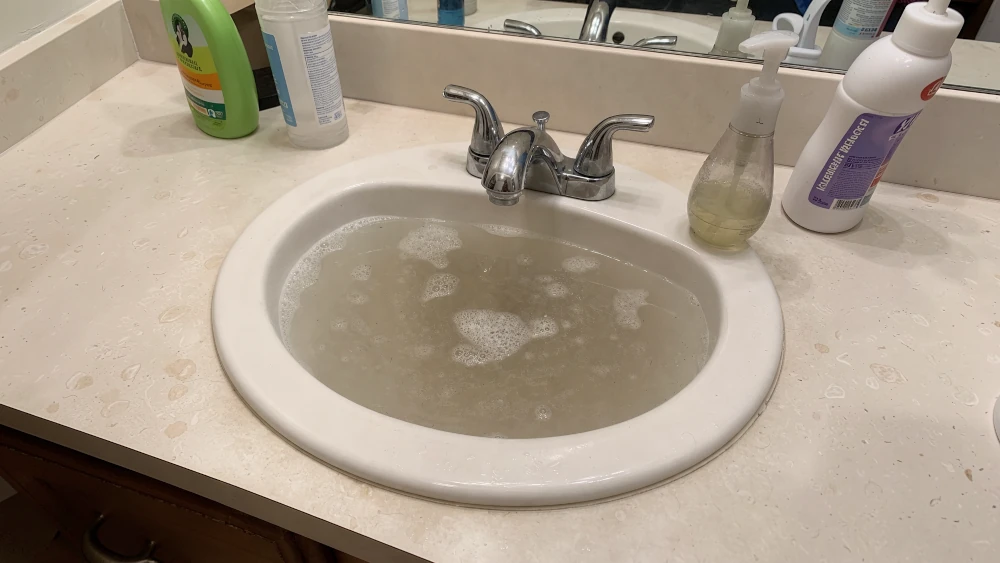
A clogged drain is one of the most common plumbing issues homeowners face. Whether it’s a slow-draining sink, a backed-up shower, or a stubborn blockage deep inside your plumbing system, choosing the right drain cleaning methods solution makes a big difference. Not all clogs are created equal, and not every cleaning technique provides the same results.
Understanding the different drain cleaning methods available can help you decide when a simple fix may work and when it’s time to call a professional. From basic plunging to advanced hydro jetting technology, each method has advantages, limitations, and situations where it works best.
1. Plunging: The First Line of Defense
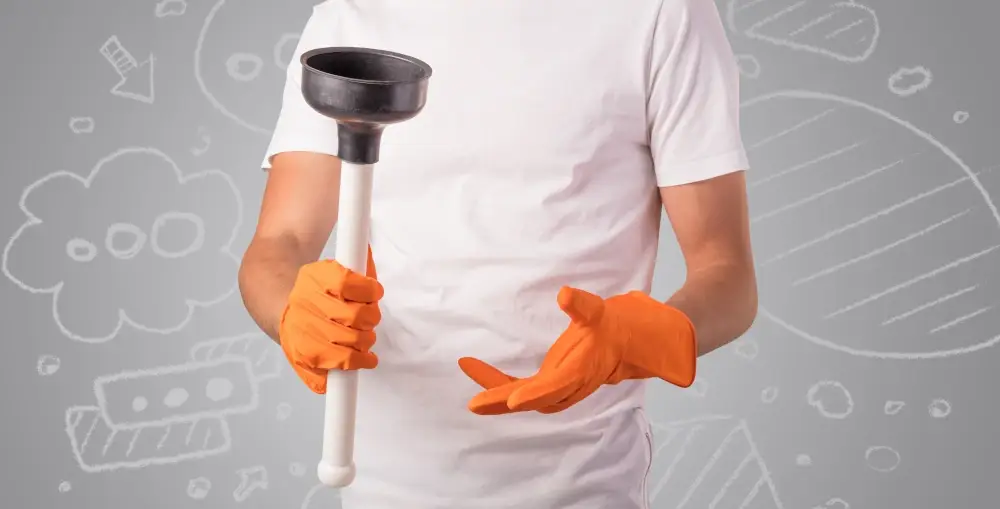
The most familiar of drain cleaning methods is the traditional plunger. Most homeowners already have one, and it can be effective for minor blockages near the drain opening.
A plunger works by creating pressure and suction that helps loosen debris blocking the pipe. It is commonly used for toilets, sinks, and shower drains.
Pros:
- Affordable and easy to use
- No chemicals required
- Can quickly fix simple clogs
Cons:
- Only works on minor blockages
- Does not remove buildup inside pipes
- May not reach deeper plumbing issues
While plunging can solve temporary problems, frequent clogs usually mean there is a larger issue deeper in the drain line.
2. Drain Snakes and Augers: Breaking Through Tougher Clogs
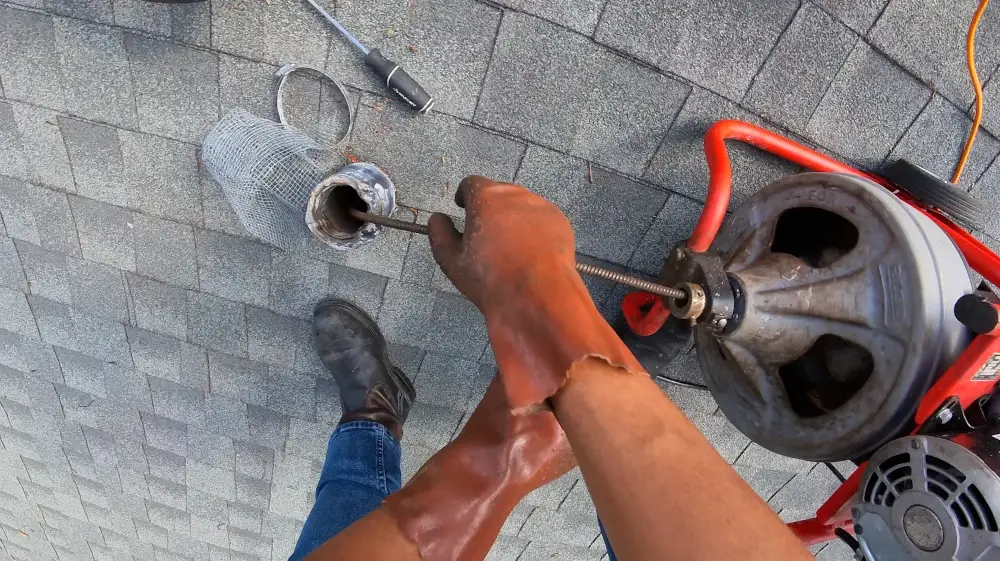
Drain snakes, also called plumbing augers, are another common option for drain cleaning methods. These tools use a flexible cable that travels into the pipe to break apart or pull out clogs.
Professional-grade drain snakes are much stronger than basic versions found at hardware stores. They can reach further into your plumbing system and handle tougher blockages caused by hair, grease, soap buildup, and other debris.
Pros:
- Effective for many common clogs
- Can reach deeper than plungers
- Useful for removing solid obstructions
Cons:
- May only punch a hole through the blockage instead of fully cleaning the pipe
- Improper use can damage plumbing
- Does not completely remove years of buildup
Snaking is often a good solution for clearing a blockage, but it may not restore your pipes to their best condition.
3. Chemical Drain Cleaners: A Risky Temporary Fix
Many homeowners turn to store-bought chemical cleaners when dealing with a slow drain. These products use strong ingredients designed to dissolve certain types of clogs.
However, chemical cleaners come with several downsides making it one of the less desirable drain cleaning methods. Harsh chemicals can damage older pipes, create safety concerns, and may only provide temporary relief.
Pros:
- Easy to find
- Requires little effort
- May help with small organic clogs
Cons:
- Can damage plumbing over time
- May be harmful if handled incorrectly
- Often fails on serious blockages
- Does not properly clean drain lines
Among different drain cleaning methods, chemical solutions are usually considered a short-term approach rather than a true plumbing solution.
4. Hydro Jetting: A Powerful Deep Cleaning Solution
Hydro jetting is one of the most advanced professional drain cleaning methods available. Instead of simply breaking through a clog, hydro jetting uses high-pressure water to thoroughly clean the inside of your pipes.
The powerful stream removes grease, sludge, mineral buildup, and other debris stuck along pipe walls. This helps restore proper water flow and reduces the chance of future clogs.
Pros:
- Provides a more complete pipe cleaning
- Removes buildup instead of pushing it aside
- Environmentally friendly because it uses water instead of chemicals
- Helps prevent recurring drain problems
Cons:
- Requires professional equipment
- May not be recommended for damaged pipes without inspection first
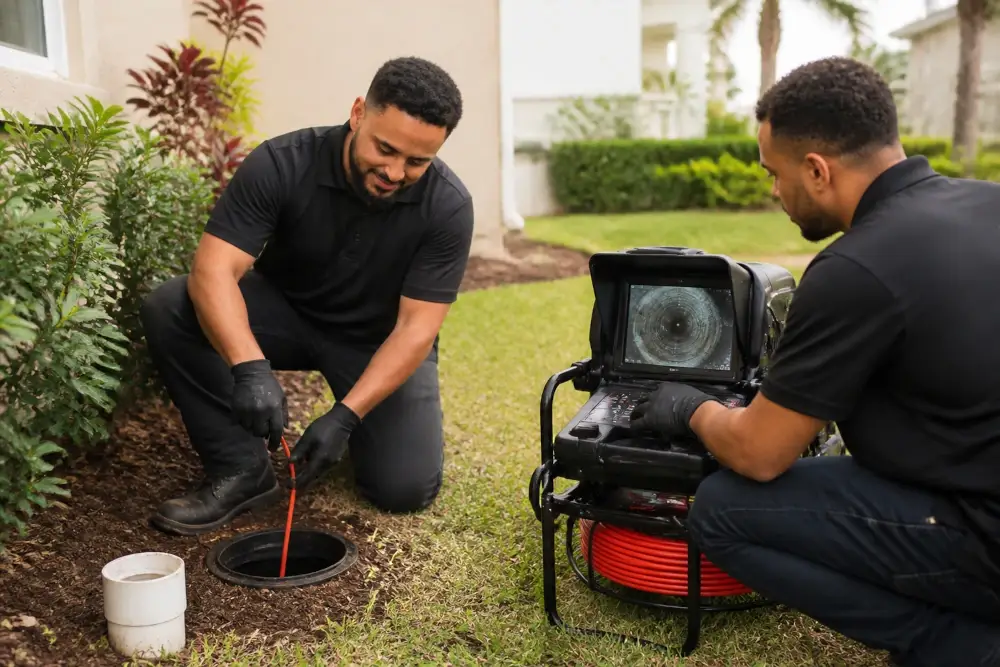
Before hydro jetting, professionals may perform a drain camera inspection to check the condition of your pipes and locate problem areas.
5. Drain Camera Inspection: Finding the Real Problem
While a camera inspection does not clean your drains by itself, it plays an important role in choosing the right solution.
A specialized waterproof camera is sent through your plumbing system to identify issues such as:
- Tree root intrusion
- Broken or collapsed pipes
- Heavy buildup
- Hidden blockages
- Foreign objects
Instead of guessing, plumbers can see exactly what is causing the problem and recommend the most effective cleaning method.
Which Drain Cleaning Method Should You Choose?
The best option depends on the type and severity of the clog.
A minor sink clog may only require a plunger, while recurring backups could indicate years of buildup inside your pipes. Professional solutions like snaking, camera inspections, and hydro jetting provide more reliable answers when basic fixes stop working.
Comparing different drain cleaning methods shows that quick fixes often only solve the immediate problem. A complete cleaning approach focuses on restoring your plumbing system and preventing future issues.
Keep Your Drains Flowing Properly
Ignoring slow drains can allow small problems to become major plumbing headaches. If your drains constantly clog, smell bad, or drain slowly even after cleaning attempts, it may be time for a professional inspection.
The right drain cleaning method can save time, prevent frustration, and help protect your home’s plumbing system for years to come.