Florida — with its humid climate, sandy soils, frequent rainstorms, and lush vegetation — is a paradise in many respects. But those same features also create some hidden challenges, especially when it comes to drainage. Two common culprits in Florida drains clogging across the Sunshine State are tree roots and sand, and their effects can be serious for homeowners, municipalities, and the environment. This article explores how each contributes to clogging, what warning signs to look for, and what can be done to prevent or mitigate the damage.
Why Florida is Particularly Vulnerable
Before diving into how roots and sand clog Florida drains, it helps to understand the environmental and structural context:
- Sandy soil. Much of Florida’s ground is made of loose, shifting sand. That means that pipes and drainage infrastructure are less well-supported compared to compact or clay soils, making cracks, separation, or misalignment more likely.
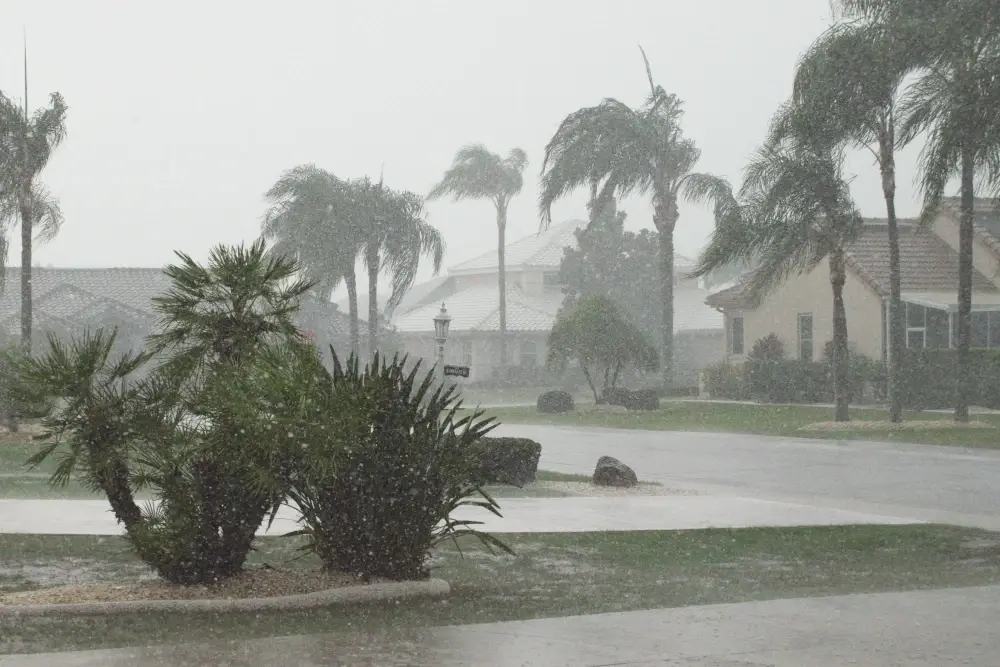
- High water table / frequent moisture. Many areas experience a shallow water table and abundant rainfall (including tropical storms), so there’s almost always moisture in or near drainage systems. That moisture is attractive to tree roots seeking water.
- Vegetation. Florida has fast-growing species, many trees, invasive or aggressively rooting plants, and over time roots will seek any available source of moisture — including leaky pipes, cracks, storm water drains, and French drains.
- Old infrastructure. Some pipes are old clay, mis-joined, or otherwise deteriorated, creating easy entry points for roots and places where sand and sediment can accumulate.
How Tree Roots Cause Drainage Clogs
Tree roots are opportunistic. Here’s how they invade and compromise Florida drains:
- Searching for moisture. Roots naturally grow toward sources of water. If a pipe is leaking, or if condensation or seepage occurs, roots will sense it and move toward it
- Finding entry points. Cracks in pipe walls, joints that are loose, or weak points in older clay or cast-iron pipes
- Invasion and growth. Once roots access the interior or wrap around the outside, they grow, expanding cracks, pushing apart joints, or massing inside the pipe, reducing flow. Over time that can completely block the pipe or collapse it.
- Compounding damage. The root intrusion both reduces pipe capacity and can degrade pipe integrity. Roots can trap other debris (leaves, sand, sediment) which accelerates clogging. Also, disrupted pipes may settle differently in sandy soils, worsening alignment issues.
Signs of Tree-Root Problems
If tree roots are clogging or damaging Florida drains or sewer lines, you might notice:
- Slow draining fixtures (multiple fixtures, not just one).
- Gurgling or bubbling noises in drains or toilets.
- Foul odors, especially from outdoor drains or yard.
- Sinkholes, soft spots, or unusually lush vegetation patches (roots leaking nutrients or water).
- Visible root intrusion at clean-outs or inspection ports.
How Sand and Sediment Cause Drainage Problems
Sand may seem innocuous — after all, it’s just grains of earth — but Florida’s environment can make sand quite damaging when it gets into drainage systems.
- Sediment carried by runoff. Rainwater washes loose soil, topsoil, landscaping fill, sand from beaches, etc., into storm drains. Over time, sediment accumulates in pipes, catch basins, ditches, and channels.
- Beach sand and household sand. Homes near beaches often bring in sand (from bathing, washing swimwear, etc.). That sand can go down showers, hoses, laundry, or outdoor drains, then settle in pipes. While a little may pass through, repeated deposition builds up.
- Trapped in drainage systems. Catch basins, grates, drainage ditches are designed to slow water or catch solids; sand settles quickly where velocity decreases, reducing capacity.
- Compounding effects with roots and debris. Sediment can bind together with organic material, roots, leaves, etc., to form compacted blocks. These are harder to remove and more damaging.
Signs of Sand-Related Clogs
- Frequent accumulation of sand in low points (drains, tubs, traps).
- Cloudy or gritty water in fixtures.
- Clogs or slow drainage that seem to get worse after storms or high winds.
- Overflowing or inefficient storm drains/street drains after heavy rain.
Why the Combination Makes Things Worse
Tree roots and sand often collaborate (unwittingly) in clogging systems:
- Roots make cracks and rough surfaces that trap sand and sediment.
- Sediment builds up around roots, which encourages further root growth toward moisture.
- A partially clogged pipe (by sand) puts more pressure on water to seep out, which may draw roots in more aggressively.
- Sagging or collapse becomes more likely in sandy soil when the pipe is compromised by roots, and sediment weight adds stress.
Impacts: From Minor Nuisance to Major Consequence
These clogging issues aren’t just annoying: they can lead to serious damage and cost:
- Localized flooding (streets, yards, foundations) during storms.
- Damage to infrastructure: pipes cracking, collapsing, needing replacement.
- Health risks: standing water becomes breeding grounds for mosquitoes; sewage backups.
- Environmental degradation: sediment and polluted runoff entering waterways.
- Increased public and private maintenance costs.
What Can Be Done: Prevention and Remedies
Prevention
- Strategic planting. Keep large trees away from sewer lines, French drains, and storm water pipes. Use tree species with less aggressive roots.
- Use of root barriers. Physical barriers placed near pipelines may discourage or block root intrusion.
- Proper pipe material and sealing. Modern PVC or HDPE pipes with tight joints are less susceptible to infiltration. Ensuring pipes are well sealed and in good repair is vital.
- Regular maintenance of storm drains. Catch basin cleaning, clearing debris and sediment before it builds up.
- Erosion control. In areas of exposed soil (construction, landscaping), measures like silt fences, vegetation, and retention basins help keep sand/sediment from entering drains.
- Household habits. Rinse off sand outside whenever possible, minimize letting beach sand inside, install outdoor showers, use drain strainers, etc.
Remedies / Repairs
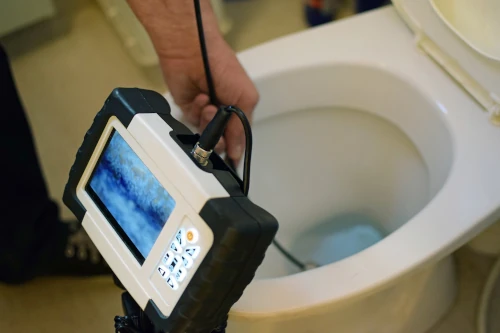
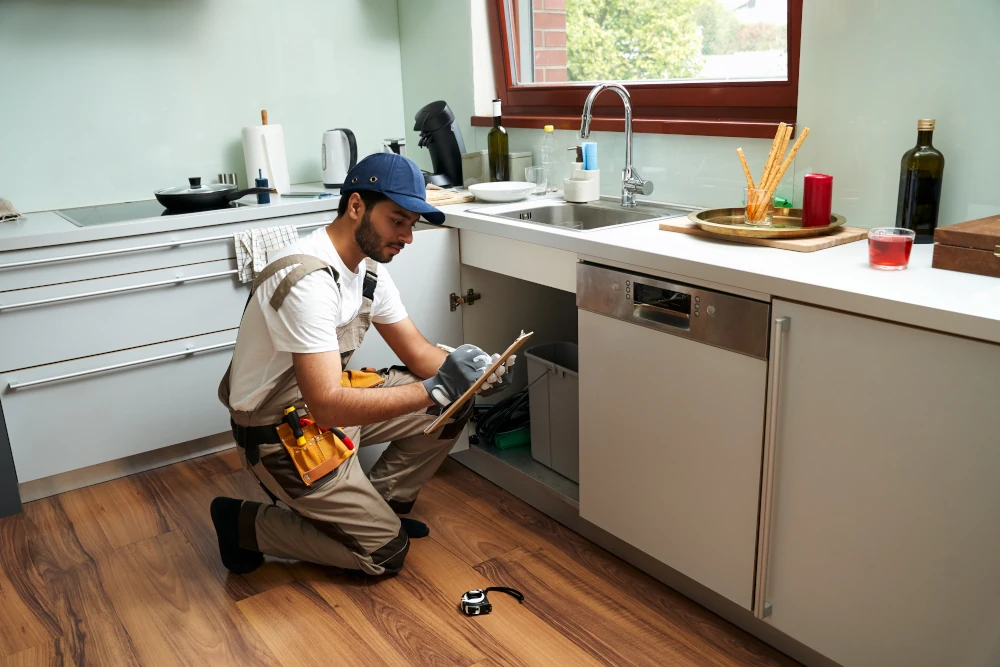
- Camera inspections. To locate cracks, root intrusions, sediment traps.
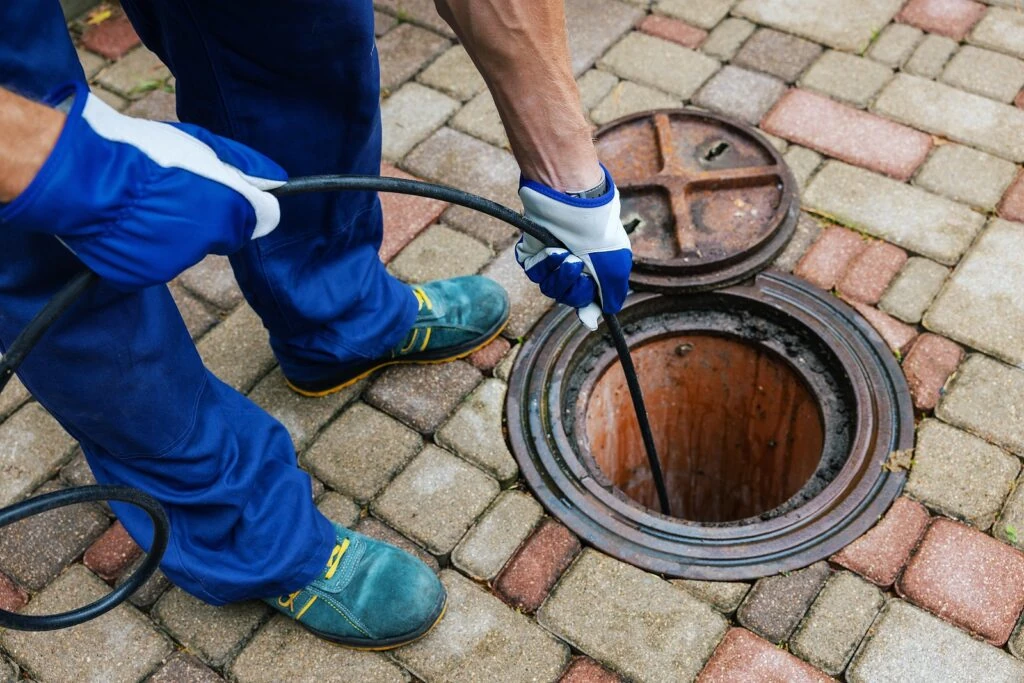
- Hydro-jetting. High pressure water to flush out sand, sediment, or small root masses.
- Mechanical root cutting. For medium root buildup.
- Pipe lining or sectional replacement. If pipe is too damaged.
- Upgrading or redesigning older drainage systems. Sometimes the slope or capacity needs recalculation, catch basins replaced, drains enlarged, etc.
What Florida Homeowners, Neighborhoods, and Local Governments Should Do
- Local governments should maintain stormwater infrastructure, schedule regular checks, and allow residents to report blocked drains. (E.g., Hillsborough County has “Report Clogged Storm Drains” systems.
- Homeowners should be alert to early warning signs and invest in preventative maintenance, which is usually much less costly than major pipe repair.
- Builders and landscapers should adhere to best practices for grading, erosion control, and tree placement.
Conclusion
In Florida, the effects of tree roots and sand on drains are often slow-burn problems: you may not notice them until water backs up, flooding happens, or pipes fail. But because of Florida’s climate, soil, vegetation, and infrastructure history, these are almost inevitable unless proper prevention is applied. The good news is that much of the damage can be avoided with foresight, regular maintenance, and right choices of materials and landscaping. By understanding both causes and solutions, homeowners, municipalities, and developers can save money, reduce risk, and protect water quality and infrastructure. Need help unclogging your drains? Contact The Godfather Solution today.