Hurricane season in Florida can bring more than just high winds and heavy rain. While most homeowners focus on securing their roofs, windows, and outdoor furniture, it’s easy to forget about one of the most important systems in your home—your plumbing. Strong storms can put enormous stress on drains, pipes, and sewer lines, leading to costly and messy problems if not properly prepared. Protecting your plumbing during hurricane season isn’t just about avoiding inconvenience; it’s about safeguarding your property and your family’s health.
In this blog, we’ll cover why hurricane season poses such a threat to your plumbing, the steps you can take to prepare, and what to do after a storm to minimize damage.
Why Hurricane Season Threatens Plumbing
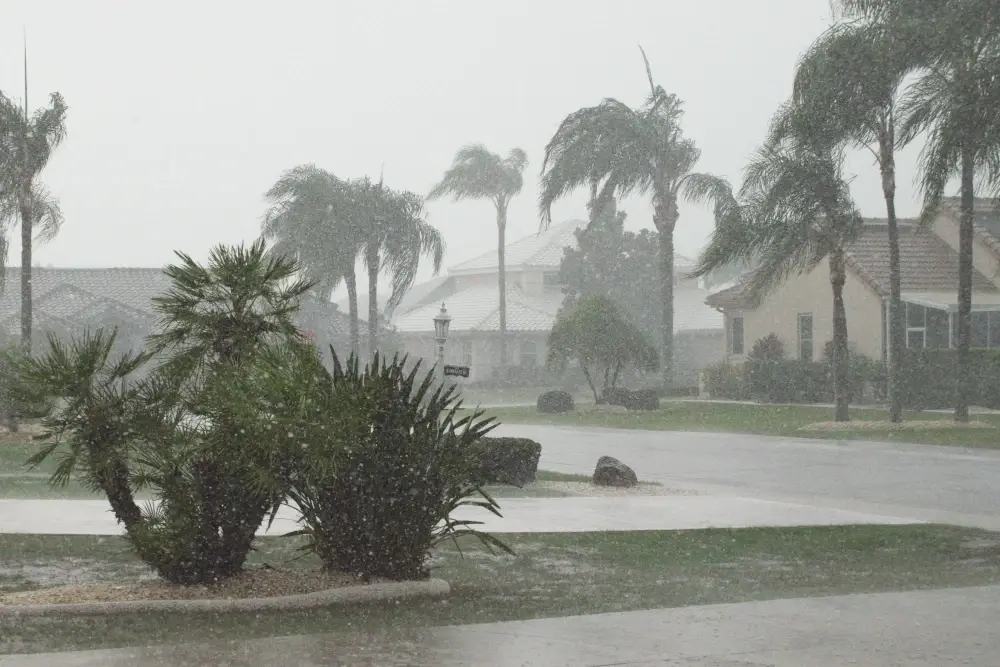
Florida’s hurricane season is notorious for intense rainfall, flooding, and power outages. These weather conditions can overwhelm plumbing systems in several ways:
- Heavy Rain and Flooding: Excess water can back up into sewer lines and drains, causing toilets, sinks, and tubs to overflow.
- Debris Blockages: Storm debris, tree roots, and sediment can clog outdoor drains and pipes.
- Pressure Surges: Sudden changes in water pressure caused by infrastructure damage can lead to leaks or burst pipes.
- Power Outages: Homes that rely on well pumps or sump pumps are particularly vulnerable if power is lost during the storm.
Understanding these risks is the first step in preventing disaster.
Pre-Storm Plumbing Preparation
The key to protecting your plumbing during hurricane season is preparation. Taking the right steps before a storm hits can save you from serious damage.
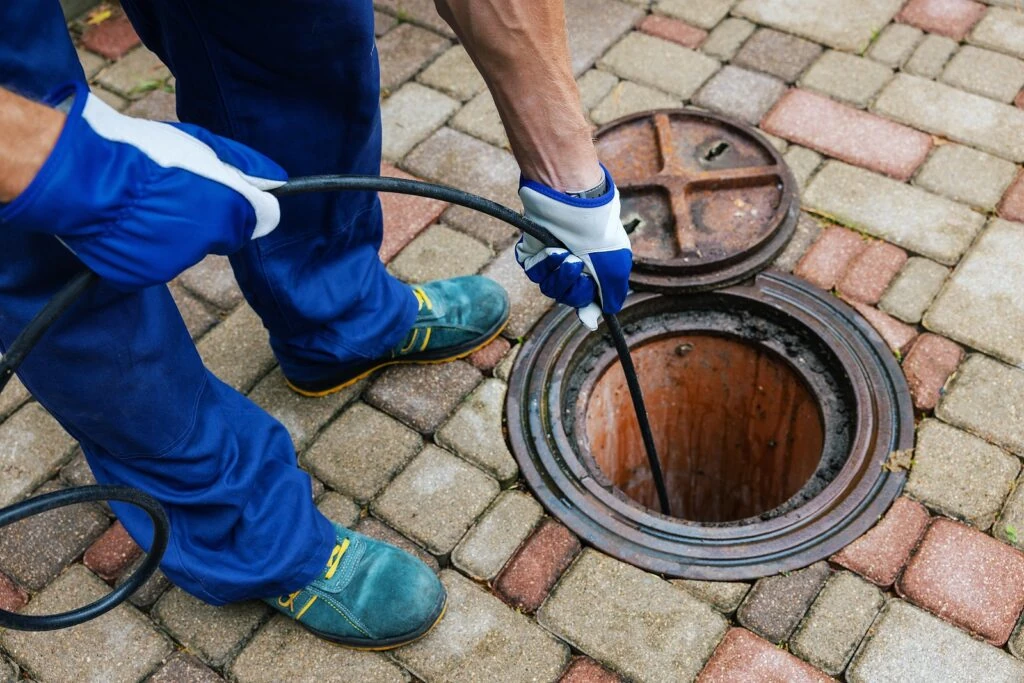
One of the best ways to prevent backups is to make sure your drains and sewer lines are clear before hurricane season begins. Professional drain cleaning removes grease, buildup, and small blockages that could turn into major problems when floodwaters put added pressure on your system.
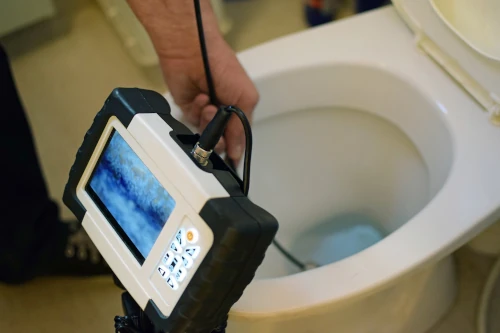
2. Inspect Your Sewer Line
Tree roots and cracks in sewer pipes can cause major headaches during storms. A plumber can use a camera inspection to check for vulnerabilities and recommend repairs before they become catastrophic.
3. Test and Service Your Sump Pump
If your home has a sump pump, make sure it’s in good working order. Test it by pouring a bucket of water into the pit and checking that it turns on and drains properly. Consider installing a battery backup system in case of power outages.
4. Secure Outdoor Plumbing Fixtures
Shut off and secure outdoor spigots, hoses, and irrigation systems. Flying debris or strong winds can damage these fixtures, leading to leaks and water waste once the storm passes.
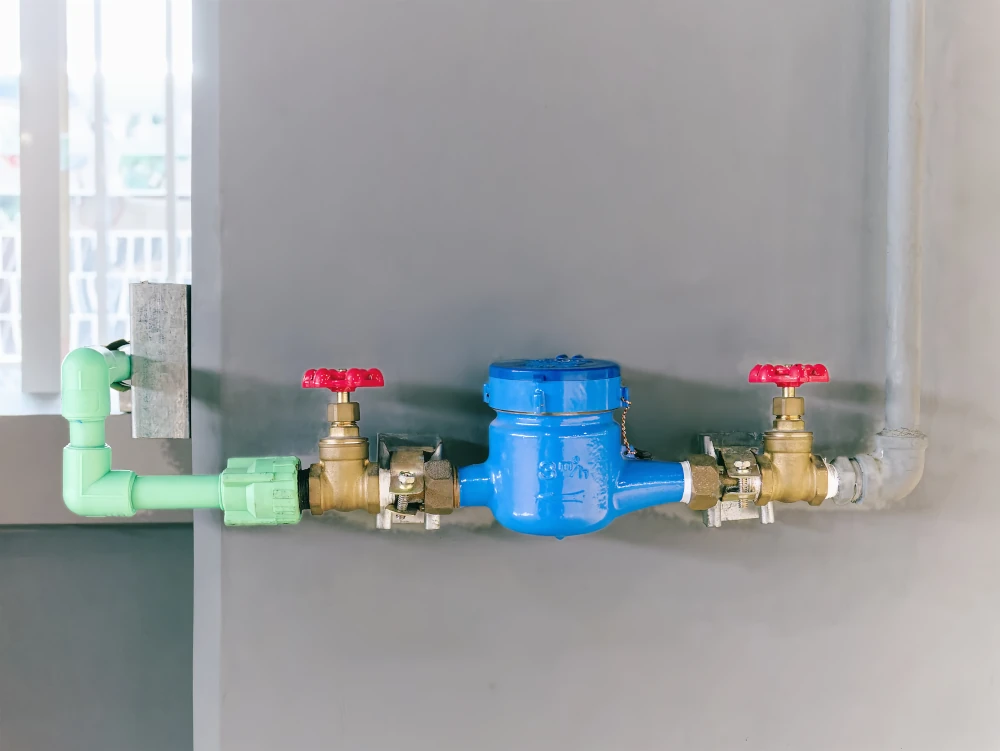
5. Locate Your Main Water Shut-Off Valve
Know where your home’s main water shut-off valve is located. In the event of a severe leak or broken pipe during the storm, turning off your water supply quickly can prevent extensive flooding inside your home.
Protecting Plumbing During the Storm
When the storm arrives, your focus should be on safety—but keeping plumbing in mind can still help minimize damage.
- Avoid Using Excess Water: During heavy rain, your sewer system may already be stressed. Avoid doing laundry, running the dishwasher, or taking long showers until the storm subsides.
- Seal Drains in Flood-Prone Areas: In areas likely to flood, consider using drain plugs or sandbags to prevent water from backing up into sinks, tubs, and floor drains.
- Monitor for Backups: Keep an eye on toilets and drains. If you notice gurgling sounds or slow drainage, it could be a sign of a backup.
Post-Storm Plumbing Checklist
Once the storm passes, your plumbing system should be carefully checked before returning to normal use.
- Inspect for Visible Damage: Look for leaks, cracked pipes, or damaged outdoor fixtures.
- Flush and Sanitize: Run clean water through your plumbing to clear out any sediment. If local authorities issue a boil-water advisory, follow it carefully.
- Check Your Water Heater: If your water heater was exposed to flooding, it may need to be inspected or replaced to avoid contamination or electrical hazards.
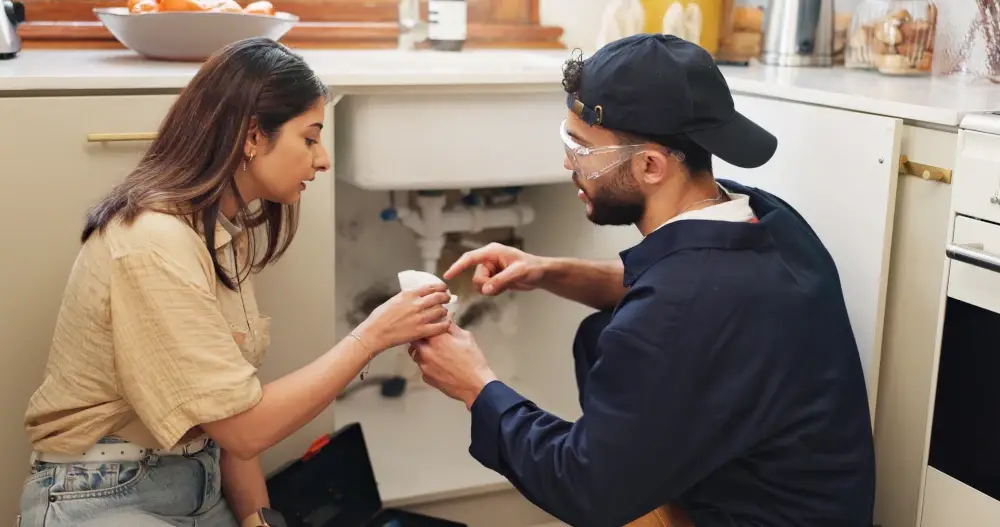
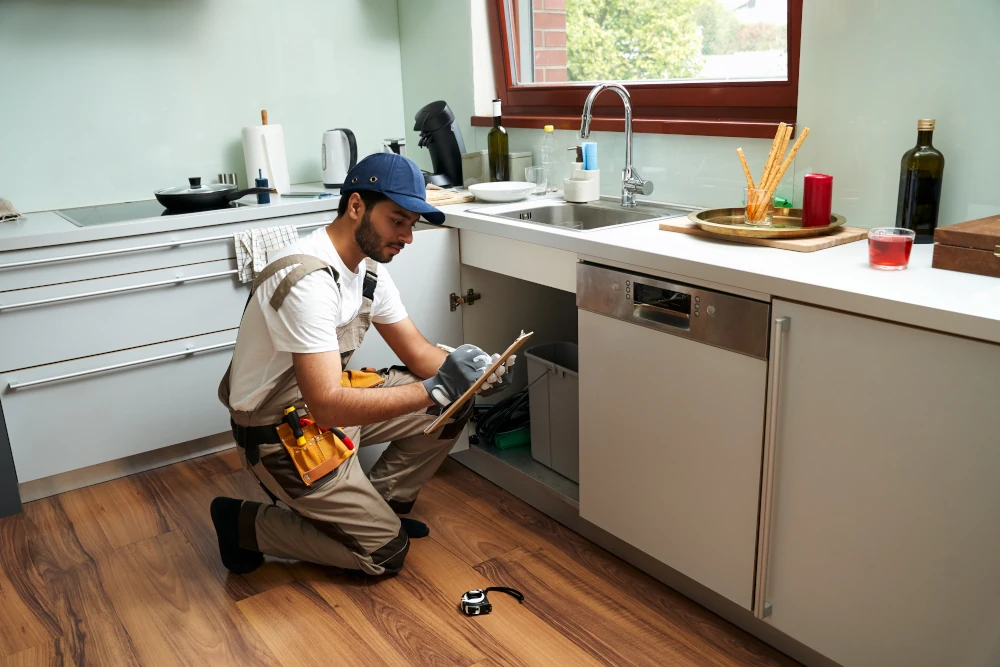
- Schedule a Professional Inspection: Even if everything seems fine, hidden issues may still exist. A plumber can spot problems that aren’t obvious to the untrained eye.
Final Thoughts
Protecting your plumbing during hurricane season is just as important as boarding up windows or trimming trees. By preparing ahead of time, taking precautions during the storm, and inspecting your system afterward, you can avoid costly repairs and protect your family’s comfort and safety.
If you’re unsure about your plumbing’s readiness for storm season, consider scheduling a professional inspection and drain cleaning. A little preparation today can save you from a major headache tomorrow.