Living in Florida offers a lot of perks—sunshine, warm weather, lush landscaping—but it also means your home’s plumbing system works under some challenging conditions. High humidity, heavy rainfall, flat terrain, shifting soils and tree-root growth all put added pressure on drains and sewer systems. That makes good drain maintenance especially important in the Sunshine State.
So how often should you have your drains cleaned in Florida? The short answer: it depends. But with the right habits and inspection schedule, you can avoid nasty backups and expensive repairs. Here’s a breakdown of ideal frequencies, warning signs, and best practices for Florida homeowners.
Why Drain Cleaning Matters in Florida
First, a quick reminder: drains and sewer lines are out of sight, out of mind—until they back up. Over time, grease, hair, soap scum, minerals, roots, and other debris accumulate inside pipes, narrowing the flow path and increasing the risk of blockages.
In Florida, there are a few special risk factors:
- Tree roots love to penetrate small cracks in pipes, especially in mature neighborhoods.
- Soil shifting and ground moisture can stress buried sewer lines and joints.
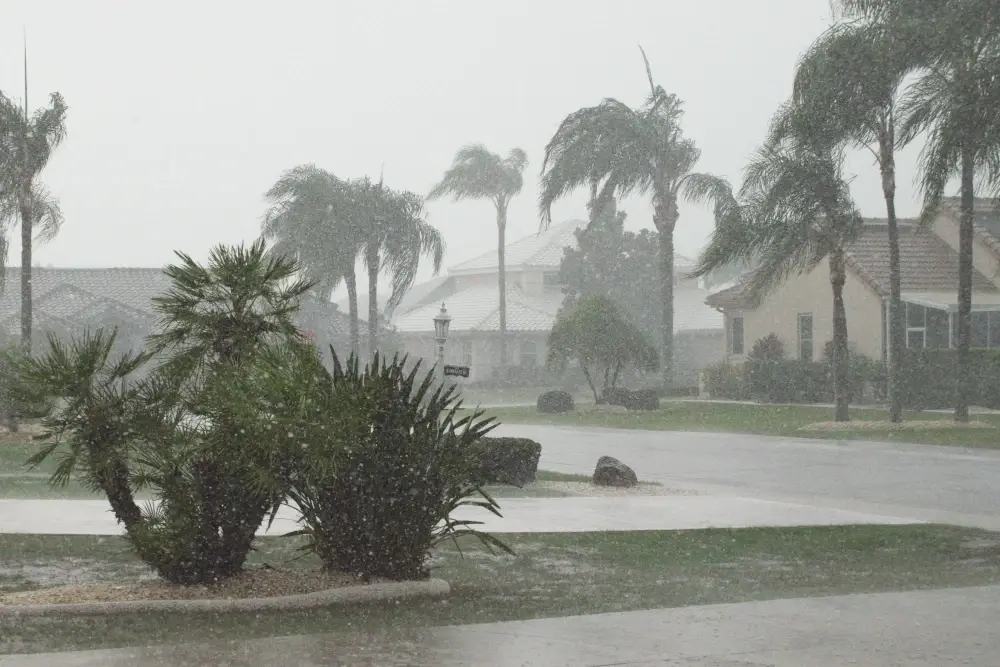
- Heavy rains can overload stormwater systems, sometimes pushing back into sewer lines.
- Humidity and warm temperatures accelerate growth of biofilm, mold, and organic buildup in drains.
All of those factors make preventive maintenance more critical than in more temperate or stable climates.
Recommended Drain Cleaning Schedule
1. Annual Professional Cleaning (Minimum Baseline)
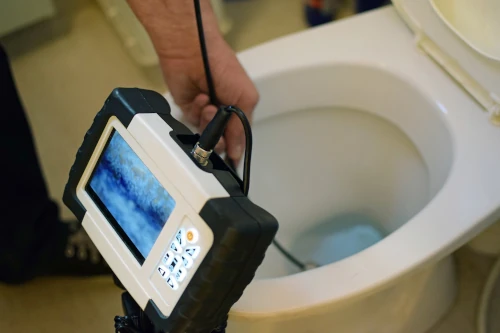
For many Florida homes, a professional drain cleaning once per year is a sensible baseline. This gives plumbers a chance to remove deep buildup, inspect the system with camera tools, flush out stubborn deposits, and catch early signs of damage or root intrusion. Many plumbing companies nationwide recommend yearly service as a preventive maintenance measure.
2. Every 6 Months for High-Risk Homes
If your home has any of these risk factors, consider bumping the frequency to every six months:
- Older plumbing (cast iron, clay, or aging PVC)
- Many occupants or heavy drain use (multiple bathrooms, frequent guests)
- Known history of clogs or backups
- Significant landscaping with large trees near sewer lines
- Silt, sand, or sediment issues due to construction or soil conditions
Some Florida-area plumbers suggest biannual service in these cases to stay ahead of blockages.
3. Main Sewer Line or Trunk Line: Every 1–2 Years
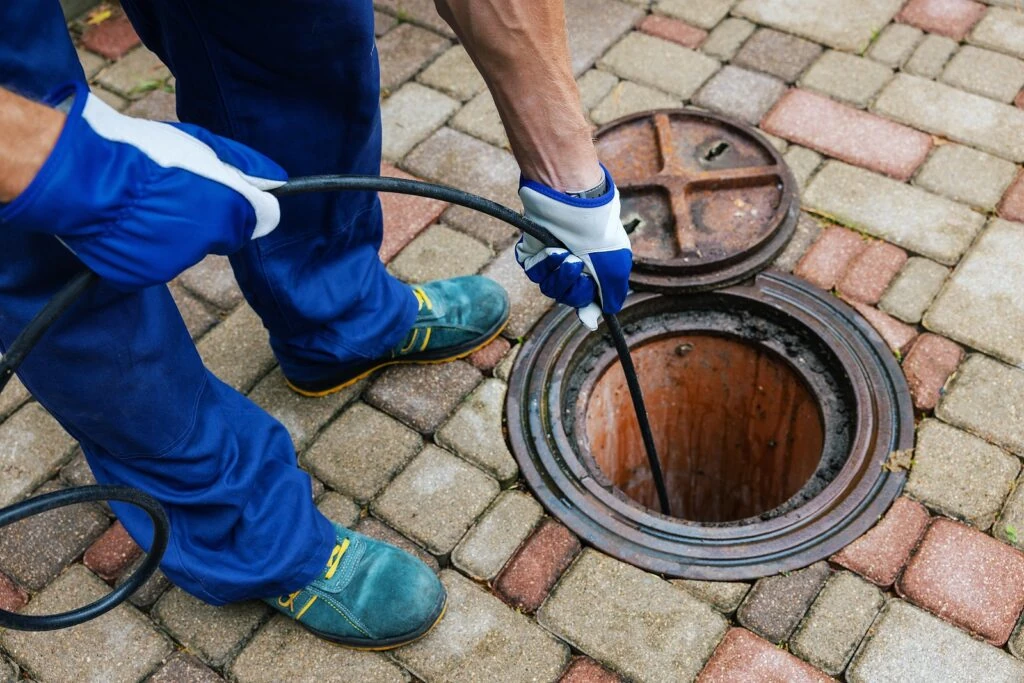
Beyond the local drain lines, your main sewer line (the line running from your house to the public sewer or septic) deserves special attention. Many plumbing experts recommend having the main sewer line cleaned or scoped every one to two years.
If your neighborhood or lot is prone to tree root intrusion, soil movement, or stormwater pressure, you might lean toward yearly service for that main line.
What to Do in Between Professional Cleanings
Even with a professional cleanup schedule, you’ll want to maintain your drains to avoid preventable clogs. Here are practical steps to take as part of your drain cleaning schedule:
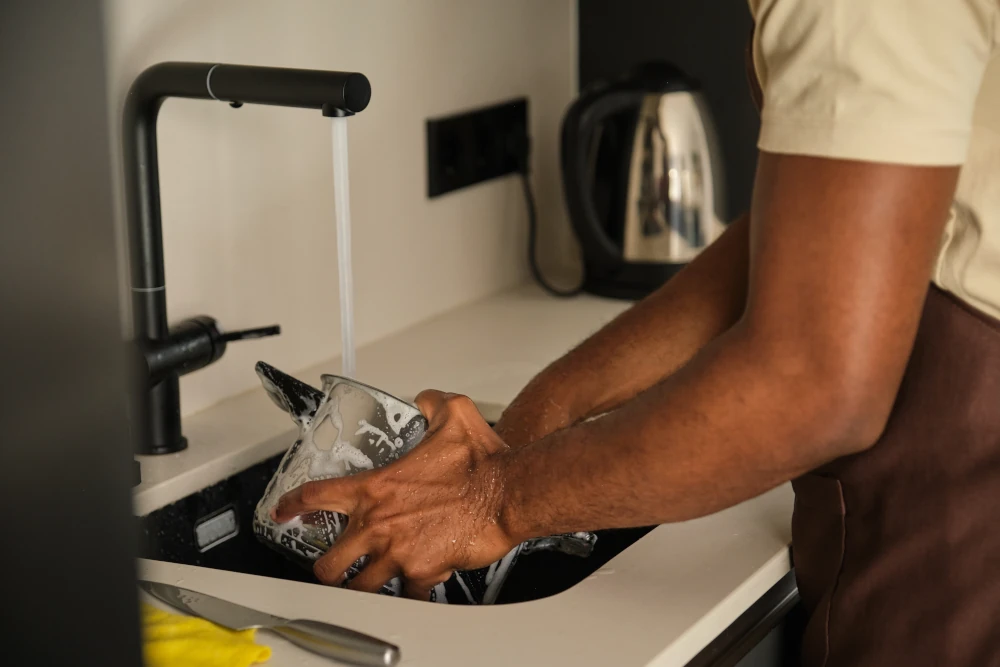
- Weekly flushing with hot water: Pour boiling (or very hot) water down sinks, tubs, and floor drains to help dislodge grease and residue.
- Monthly baking soda + vinegar: Use a cup of baking soda followed by a cup of vinegar, let it foam for 30 minutes, then flush with hot water. This helps dissolve light organic build-up.
- Use strainers/drain screens: Especially in showers and sinks, to catch hair, soap bits, and debris before they go down the drain
- Avoid putting grease, coffee grounds, large food scraps, and fibrous materials down kitchen drains
- Plunge or snake lightly: If a drain slows, try a plunger or hand snake before it becomes a full clog
- Watch for warning signs (see next section)
These “in-between” habits reduce stress on your system and help your yearly or semiannual professional service be more effective.
Warning Signs: When to Clean Sooner
You don’t want to wait until disaster strikes. If you notice any of these, call a professional immediately (don’t wait for your regular drain cleaning schedule):
- Multiple drains running slowly or backing up
- Gurgling sounds in pipes when other fixtures are used
- Foul, sewage-like odors emanating from drains
- Frequent recurring clogs
- Toilet backups or water pooling in floor drains
- Wet spots, sinkholes, or soggy patches near buried sewer lines
These symptoms often point to a serious blockage, root intrusion, or pipe damage that needs prompt attention.
Why Procrastination Can Cost You Big
Neglecting regular drain and sewer maintenance can lead to:
- Full backups and overflows
- Structural damage to pipes or foundation
- Expensive repairs or pipe replacement
- Health hazards from sewage exposure
- Mold and water damage in interior spaces
By contrast, preventive cleanings are relatively low cost and can save you thousands in emergency repairs.
Tailoring the Schedule for Your Florida Home
Every home is a bit different. As you decide on how to setup your drain cleaning schedule, consider:
- Home age & plumbing materials – Older or corroded pipes need more attention
- Usage and occupants – More people = more wear
- Yard trees & soil conditions – More root threat means tighter schedule
- Past history – If you’ve had problems before, err on the safe side
- Budget & convenience – Twice-a-year may cost more, but it buys peace of mind
A good rule of thumb for many Florida homes is once a year professional plus consistent DIY maintenance. But if your home is older, high use, or in a challenging location, stepping up to every six months or doing main line service every 1–2 years is often prudent.
Sample Maintenance Plan (Florida Edition)
Item | Frequency | Activity |
Flush drains with hot water | Weekly | Pour hot water down all drains to help clear grease/sediment |
Baking soda + vinegar flush | Monthly | Use the fizzy combo and then flush with hot water |
Inspect for warning signs | Monthly | Check for odors, slow drains, gurgling, backups |
Professional drain cleaning | Every 12 months (or 6 months for high-risk homes) | Call plumber to clean and inspect all branch drains |
Main sewer line cleaning / inspection | Every 1–2 years | Use camera or hydrojetting for the trunk line |
Final Thoughts on Your Florida Drain Cleaning Schedule
In Florida, the ideal interval for drain cleaning depends on many factors, but the baseline of once per year is a solid starting point. For homes with added risk—older piping, landscaping near sewer lines, high usage—you may need a more aggressive approach, such as cleaning every six months and inspecting main lines every 1–2 years.
Combine that with good daily and monthly habits, and you’ll greatly reduce the chances of a messy, expensive clog or backup. Want help customizing a maintenance schedule for your specific property or climate zone in Florida? The Godfather Solution would be happy to assist.