When a drain slows down, toilets gurgle, or sinks start backing up, the first instinct is usually to grab a plunger or call a plumber for a standard drain snake. While traditional drain-cleaning techniques still play an important role, they simply can’t match the cleaning power, precision, and long-term results of hydro jetting.
Hydro jetting uses highly pressurized water—often between 3,500 and 4,000 PSI—to blast away grease, sludge, mineral buildup, intrusive roots, and years of stubborn debris that mechanical methods cannot fully remove. Below is a clear breakdown of the benefits and why more homeowners and businesses are choosing hydro jetting over traditional approaches.
What Is Hydro Jetting?
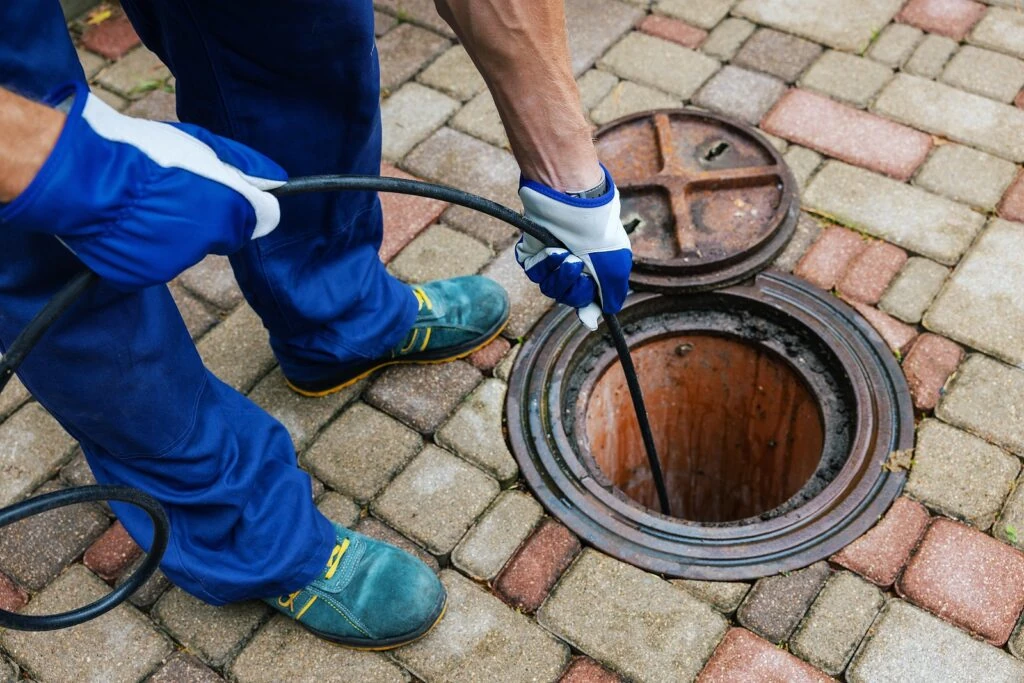
Hydro jetting is a professional drain-cleaning method that uses water under intense pressure to thoroughly clean the inside of sewer and drain lines. A specialized hose with a multi-directional nozzle is inserted into the pipe, scouring the walls clean while flushing debris away.
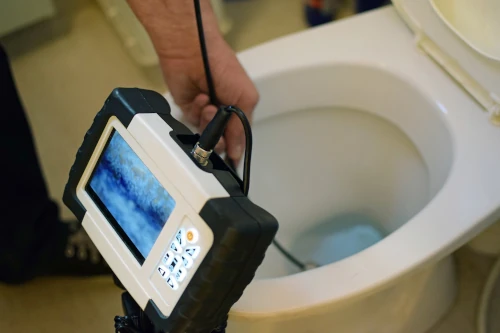
This technique not only restores water flow—it restores the pipe’s interior diameter, often bringing it close to its original condition. Before hydro jetting, plumbers typically perform a camera inspection to ensure the line is structurally sound and to pinpoint the exact location of the clog.
Traditional Drain Cleaning Methods (And Their Limits)
Drain Snaking
A drain snake uses a spinning steel cable to break through clogs. While it works for simple blockages, it only punches a hole through the buildup—it does not clean the pipe walls. Recurring clogs are common because the underlying debris remains.
Augers and Hand Tools
Augers work well for toilet clogs or shallow fixtures, but cannot remove deep buildup, grease, or scale.
Chemical Cleaners
While convenient, store-bought chemical drain cleaners can corrode pipes, damage septic systems, and pose serious safety risks. They rarely solve deeper issues.
Plungers
Useful for small, local clogs but ineffective for larger drain or sewer line blockages.
The Key Benefits of Hydro Jetting
1. A Deep, Complete Clean
Unlike snaking, which clears only a path through a clog, hydro jetting cleans the entire pipe wall. It removes:
- Grease and fat buildup
- Soap scum
- Scale and mineral deposits
- Sludge
- Small tree roots
- Food waste
- Hardened debris
This level of cleaning isn’t possible with mechanical tools alone.
2. Prevents Future Clogs
Because hydro jetting restores the full diameter of the pipe, water flows more efficiently. This means:
- Fewer recurring blockages
- Less strain on pipes
- Longer-lasting results
Most homeowners experience years of problem-free performance after hydro jetting.
3. Ideal for Grease and Sludge
Florida kitchens—especially in busy households or commercial food-service properties—produce heavy grease buildup. Snaking slides through grease; hydro jetting completely removes it, making it the best solution for:
- Restaurants
- Apartment complexes
- Homes with recurring kitchen clogs
4. Effective Against Tree Roots
Tree roots commonly invade Florida sewer lines. Snakes may temporarily break roots apart, but hydro jetting cuts and flushes them much more thoroughly.
5. Safe, Eco-Friendly, and Non-Chemical
Hydro jetting uses only water, making it:
- Non-toxic
- Septic-safe
- Environmentally friendly
- Non-corrosive
It avoids the dangers associated with harsh chemicals.
6. Works for Residential and Commercial Systems
Hydro jetting equipment can be adapted to:
- Household drain lines
- Commercial kitchens
- Long sewer mains
- Large-diameter commercial pipes
It excels in high-demand environments where traditional methods fall short.
7. More Cost-Effective Long-Term
Though hydro jetting costs more upfront than snaking, it typically saves money by:
- Preventing repeat clogs
- Reducing emergency repairs
- Extending pipe lifespan
- Eliminating the need for multiple service calls
For businesses, preventing downtime alone often makes hydro jetting the preferred method.
When Hydro Jetting Should Not Be Used
Hydro jetting is incredibly effective, but it’s not ideal for severely damaged pipes. This is why a camera inspection is required first. If the pipe is collapsed or extremely brittle, repair or replacement may be needed instead.
Conclusion: Is Hydro Jetting Better?
For most homes and businesses, yes—hydro jetting is the superior drain-cleaning method. It removes more debris, keeps pipes cleaner longer, prevents recurring clogs, handles grease and roots effectively, and protects the long-term health of your plumbing system.
Traditional snaking still has its place, but when you want a solution that fixes the problem at its source, nothing beats the power, precision, and long-term value of professional hydro jetting.