Plumbing problems have a way of showing up at the worst possible time—slow drains right before guests arrive, mystery backups during a storm, or recurring clogs that never seem fully resolved. If you’ve ever fixed the symptom but not the cause, that’s where a drain line camera inspection becomes a game-changer.
A camera inspection allows plumbers to see exactly what’s happening inside your drain or sewer line—without digging, guessing, or causing unnecessary damage. Below, we’ll break down when you need a drain line camera inspection, what problems it can uncover, and why it’s one of the smartest diagnostic tools in modern plumbing.
What Is a Drain Line Camera Inspection?
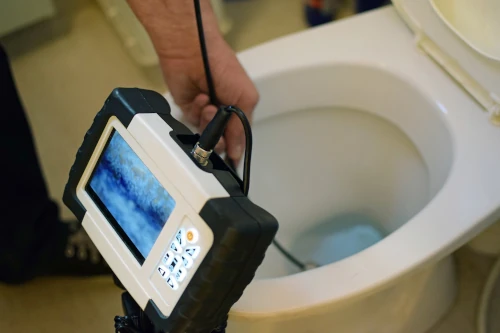
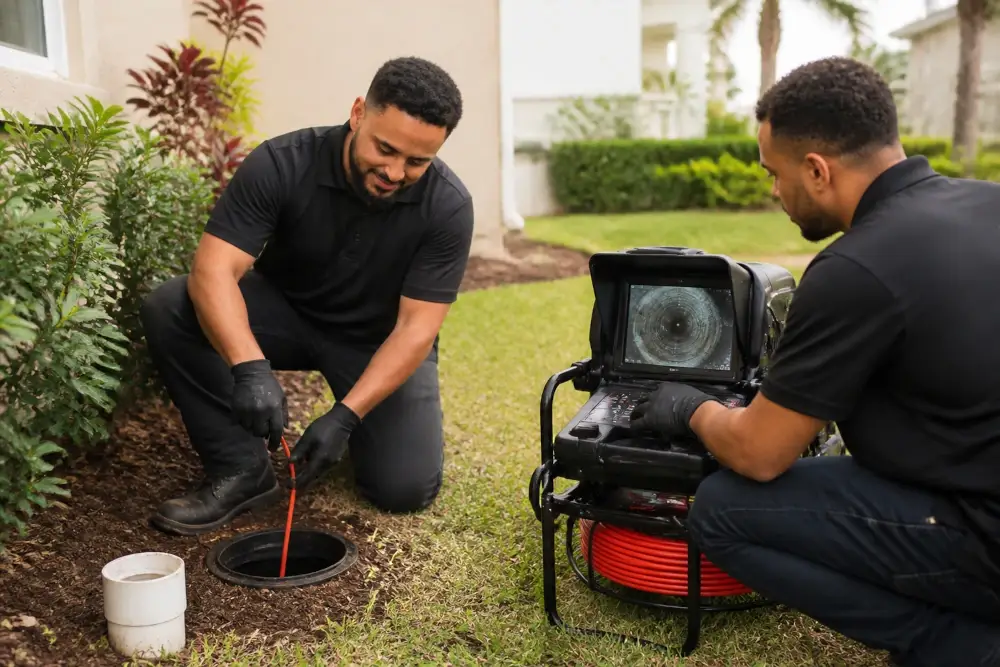
A drain line camera inspection uses a high-resolution, waterproof camera attached to a flexible cable. The camera is inserted directly into your drain or sewer line, sending live video back to a monitor. This allows a plumber to visually inspect the interior of the pipe in real time.
Instead of relying on assumptions, the inspection provides clear answers—showing cracks, blockages, buildup, or structural issues that may otherwise stay hidden underground.
Signs You Need a Drain Line Camera Inspection
1. Recurring Drain Clogs
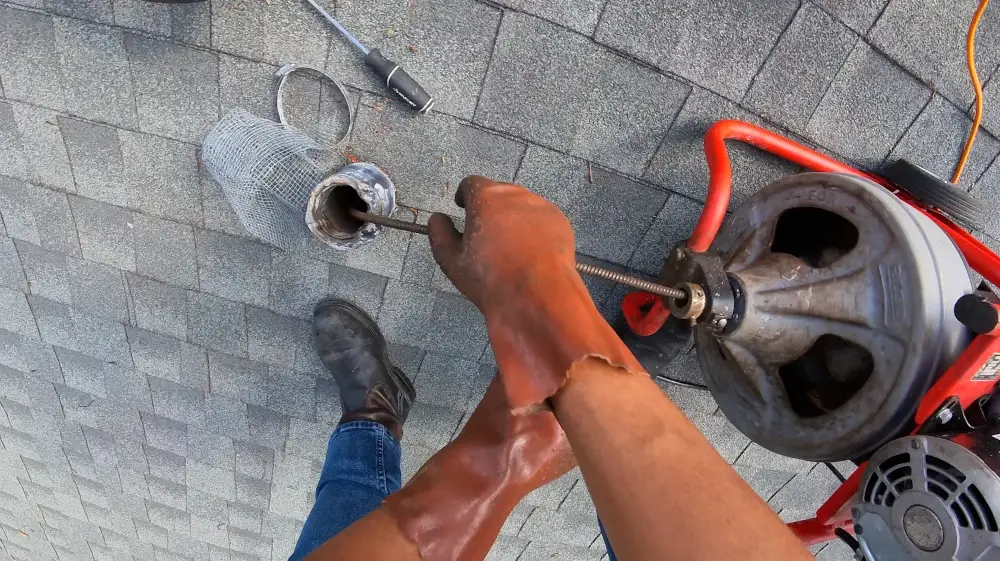
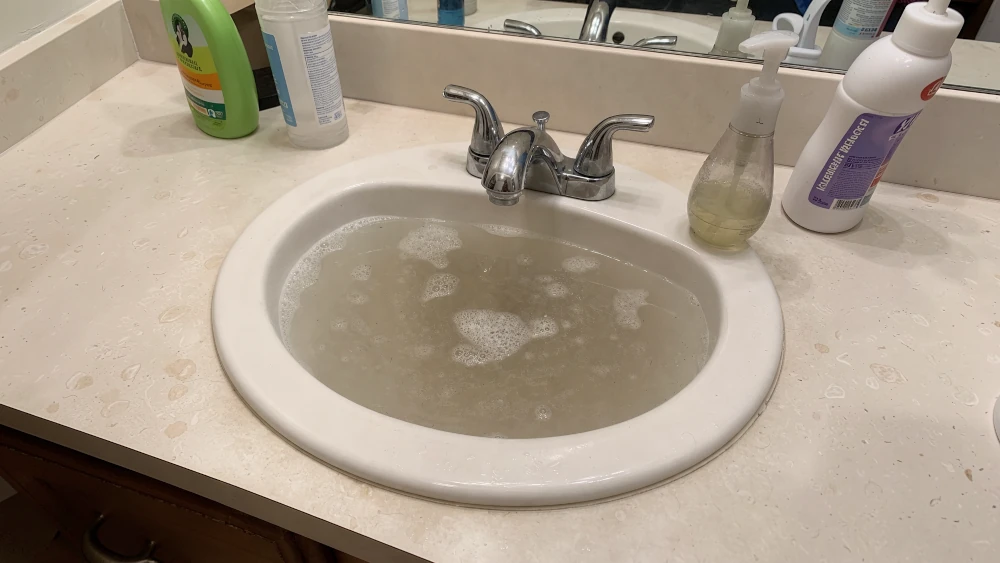
If the same drain keeps clogging despite repeated snaking or chemical treatments, there’s likely an underlying issue deeper in the line. A camera inspection can reveal grease buildup, pipe damage, or foreign objects causing repeat blockages.
2. Multiple Drains Backing Up
When more than one drain backs up at the same time—such as toilets, tubs, and sinks—it often points to a main sewer line problem. A camera inspection helps pinpoint the exact location and severity of the issue.
3. Slow Drains Throughout the Home
One slow drain can be minor. Several slow drains usually mean a bigger restriction in the main line. A camera inspection confirms whether the issue is buildup, roots, or pipe collapse.
4. Foul Odors Coming From Drains
Persistent sewer smells often indicate cracked pipes, standing wastewater, or venting problems. With a camera inspection, plumbers can visually identify where gases are escaping or waste is sitting.
5. Suspected Tree Root Intrusion
Tree roots are one of the most common causes of sewer line damage in older homes. Roots seek moisture and can enter through tiny cracks or joints. A camera inspection shows root intrusion clearly and helps determine whether cutting, jetting, or pipe repair is needed.
6. Buying or Selling a Home
A sewer line inspection is especially valuable during real estate transactions. It gives buyers peace of mind and helps sellers avoid last-minute surprises that could derail a deal.
Problems a Camera Inspection Can Detect
A drain camera inspection can uncover issues such as:
- Cracked, broken, or collapsed pipes
- Tree root intrusion
- Heavy grease or sludge buildup
- Bellies (low spots where water collects)
- Offset or misaligned pipe joints
- Foreign objects stuck in the line
- Corrosion in older cast-iron pipes
Knowing exactly what’s wrong allows for targeted repairs instead of trial-and-error fixes.
Why a Camera Inspection Saves You Money
One of the biggest benefits of a drain line camera inspection is cost control. By identifying the precise problem and location, plumbers can recommend the right solution the first time—whether that’s snaking, hydro jetting, spot repair, or full replacement.
It also prevents unnecessary digging. Instead of tearing up your yard, driveway, or slab just to “see what’s there,” the camera does the work non-invasively.
Camera Inspections vs. Guesswork
Without a camera inspection, plumbing diagnostics often rely on assumptions based on symptoms. That can lead to temporary fixes that don’t last. A camera inspection removes the guesswork and provides visual proof, which is especially helpful when:
- Comparing repair options
- Planning major plumbing work
- Filing insurance claims
- Explaining issues to homeowners or buyers
When to Schedule a Drain Line Camera Inspection
You should strongly consider scheduling a camera inspection if:
- You’ve had multiple drain issues in a short time
- Your home is older or has cast-iron or clay pipes
- You’re preparing for major plumbing repairs
- You want documentation of your pipe condition
- You’re tired of recurring clogs with no clear cause
Final Thoughts On When To Get a Drain Line Camera Inspection
A drain line camera inspection isn’t just a diagnostic tool—it’s peace of mind. By seeing exactly what’s happening inside your pipes, you can make informed decisions, avoid unnecessary repairs, and protect your property from costly plumbing disasters.
If you’re dealing with persistent drain issues, strange odors, or unexplained backups, a camera inspection may be the smartest next step. It’s fast, non-invasive, and often the key to finally solving the problem for good.