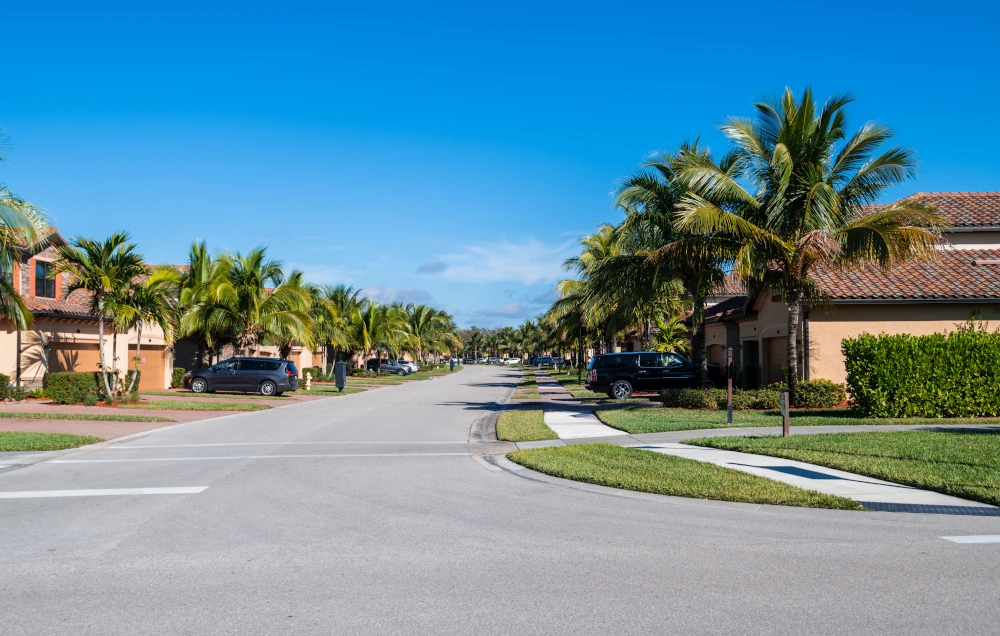
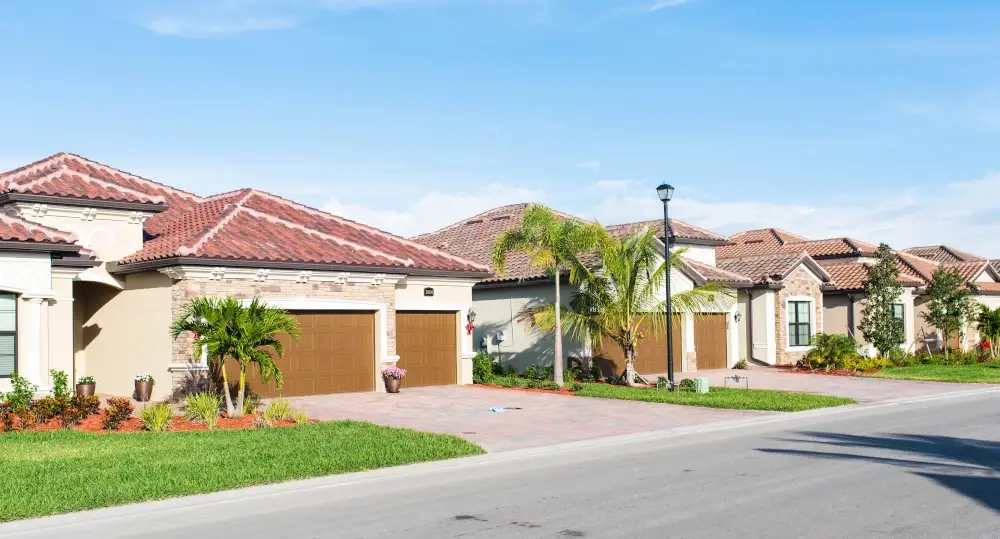
Central Florida’s unique climate — think high heat, humidity, heavy seasonal rains, and sandy soil — creates plumbing problems that are different from those in other parts of the country. Whether you’re a long-time resident or have recently moved to the region, understanding the plumbing issues most common here can help you prevent expensive repairs and water damage down the line.
Let’s walk through the top plumbing headaches homeowners in areas like Orlando, Clermont, Kissimmee, and Winter Park often face — and what to watch for if you want to stay ahead of trouble.
1. Hard Water & Mineral Buildup
One of the most relentless plumbing problems in Florida is hard water. Central Florida’s groundwater contains high levels of minerals like calcium and magnesium, which leave behind scale in pipes, fixtures, and appliances. Over time, this buildup narrows pipes, reduces water pressure, and damages equipment like water heaters.
What you might notice:
- White or chalky buildup on faucets and showerheads
- Reduced flow from faucets and showerheads
- Shorter lifespan on appliances like dishwashers and water heaters
Smart move: Consider installing a water softener system — especially if you notice heavy scaling or low flow.
2. Leaky Fixtures & Dripping Faucets
Leaky faucets, showerheads, and other fixtures are more than just annoying — they waste water, raise your bill, and often signal worn seals, washers, or O-rings. Because Florida’s humidity and heat accelerate wear and corrosion, minor leaks here can become major plumbing problems quicker than in cooler climates.
Red flags:
- Constant dripping even when fixtures are “off”
- Water stains on cabinets or floors
- Sudden jumps in your water bill
Ignoring small leaks might seem safe, but these seemingly minor problems can lead to hidden wood rot, mold growth, and structural damage if left untreated.
3. Clogged and Slow Drains
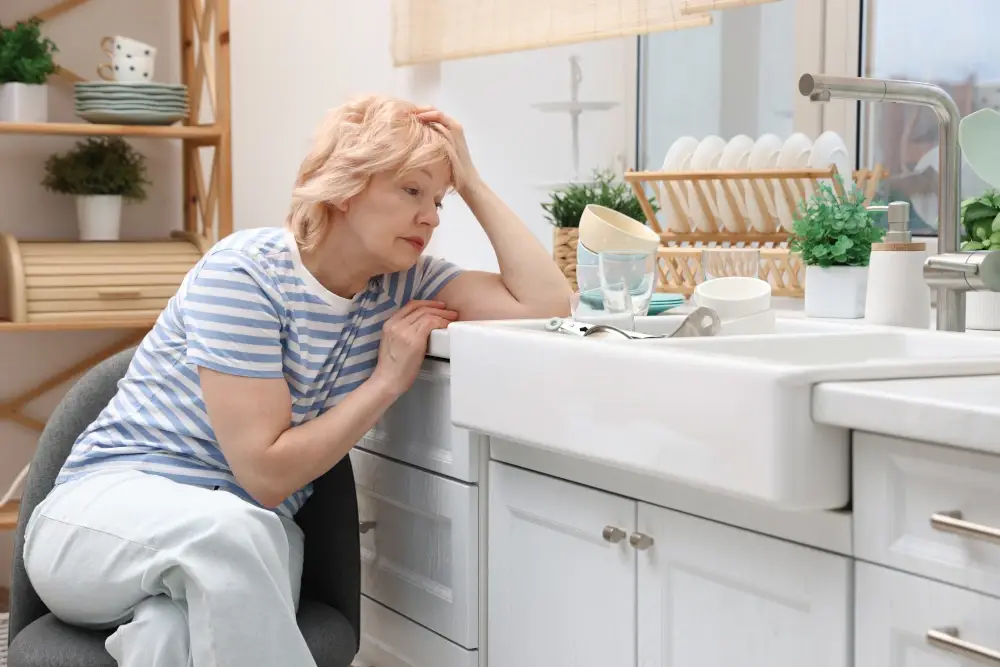
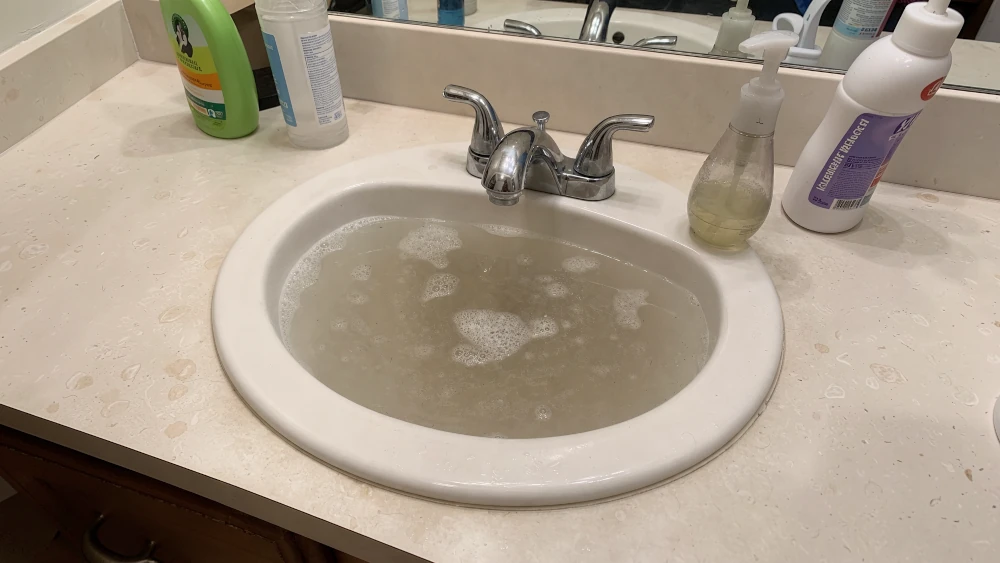
Between sunscreen residue, beach sand tracked inside, hair, soap scum, and kitchen grease, Florida drains take a beating. Slow or clogged drains are among the most common service calls plumbers receive here.
Common signs:
- Water draining slowly in sinks, tubs, or showers
- Gurgling sounds after flushing
- Water pooling at fixtures
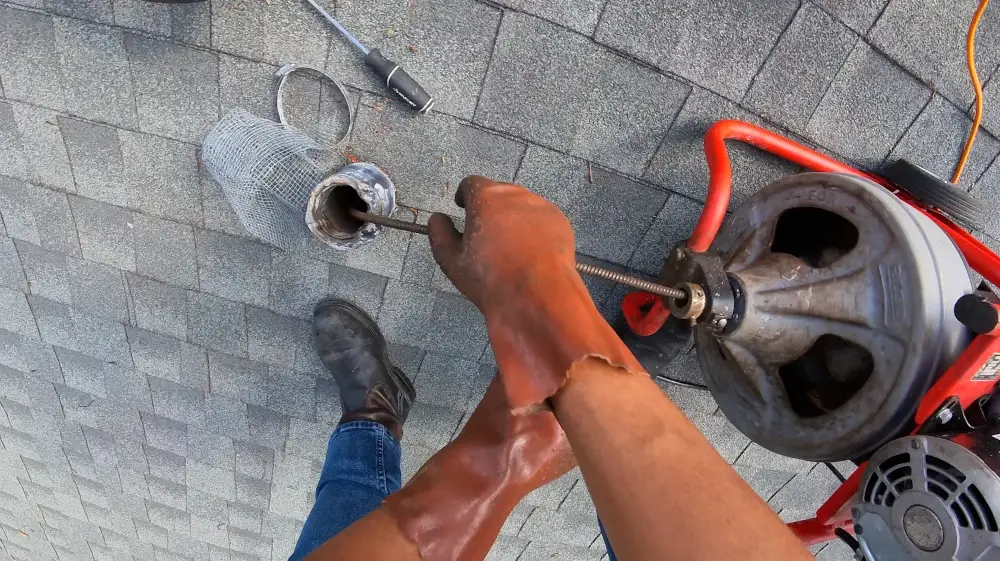
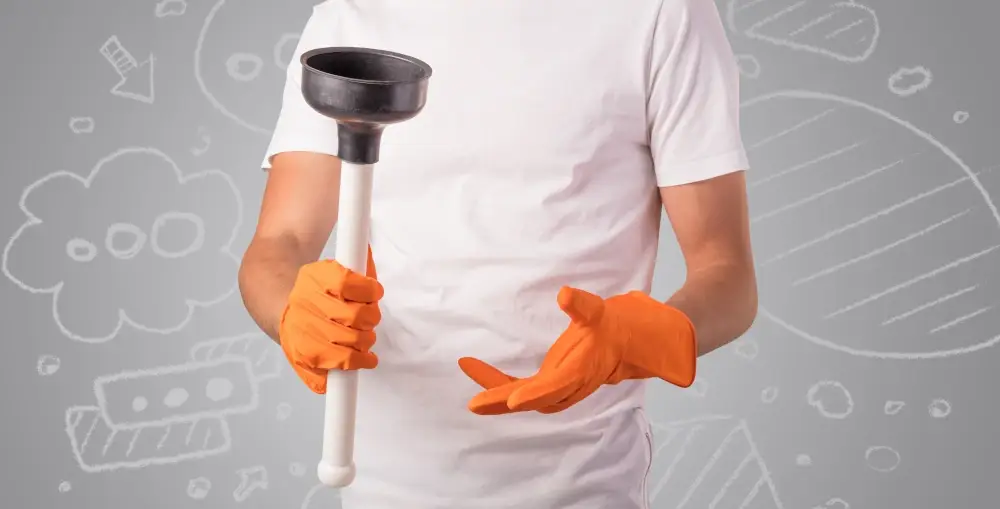
Sometimes a simple DIY fix (like a plunger) works, but stubborn or recurring clogs often point to deeper issues — like sewer line blockages — that need professional attention.
4. Sewer Line Problems & Tree Root Intrusion
Central Florida’s lush landscaping and abundant tree cover are beautiful — until the roots start searching for moisture underground and invade your sewer line.
What can happen:
- Tree roots crack or clog pipes
- Sewer backups into your basement or yard
- Foul odors around drains or near your home’s foundation
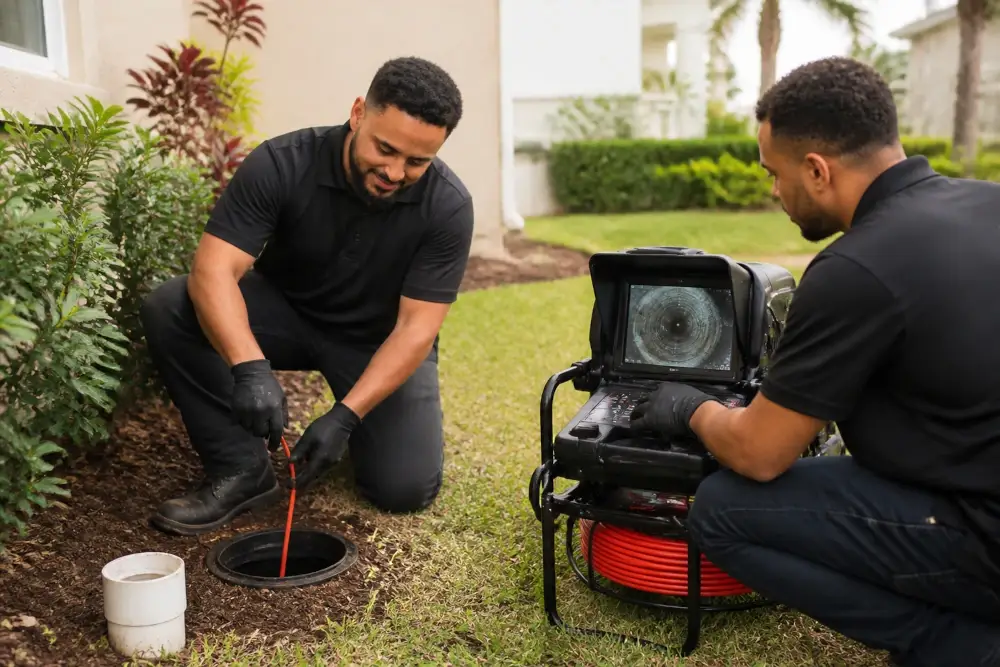
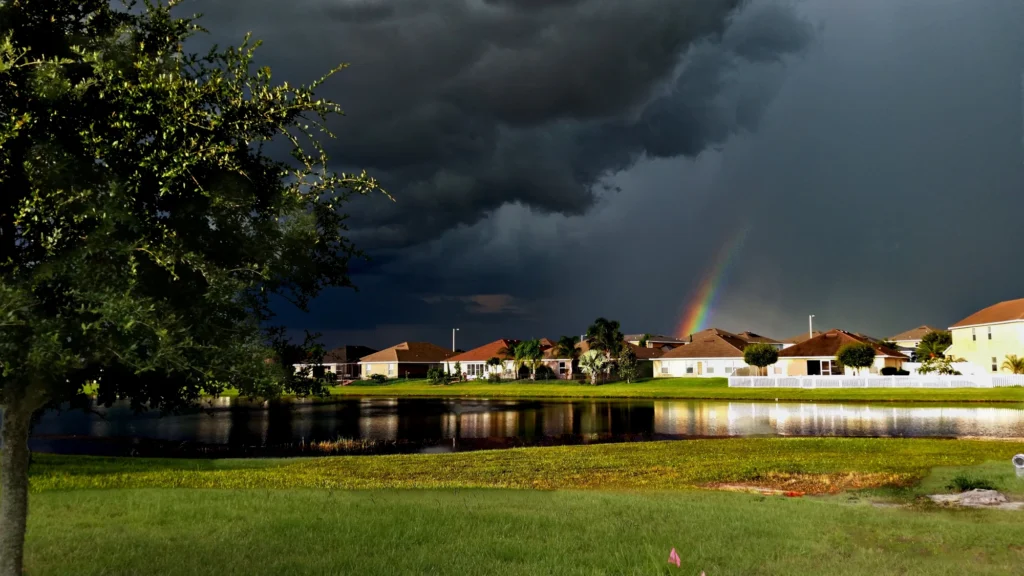
And Florida’s seasonal heavy rains can compound these issues by stressing an already burdened sewer system. Regular sewer camera inspections can catch early signs before backups or major repairs are needed.
5. Slab Leaks: Hidden and Costly
Many Central Florida homes are built on concrete slabs, which means all the plumbing runs underneath your foundation. When pipes beneath the slab leak due to corrosion, shifting soil, or temperature expansion, the water can silently damage your home’s structure before you even notice.
Typical warning signs:
- Damp or warm spots on floors
- Unexpected increases in water bills
- Sounds of water running with no fixtures in use
Because slab leaks are hidden, specialized detection methods (like infrared or acoustic leak detection) are often required — and quick action can save thousands in structural repairs.
6. Water Heater Wear & Sediment Buildup
The same mineral-rich water that causes hard water also leads to sediment buildup in water heaters. This sediment reduces efficiency, causes inconsistent heating, and can shorten the life of your unit.
Issues to watch for:
- Low or inconsistent hot water
- Strange noises from the tank
- Visible rust or leaking at the base
Regular flushing and professional maintenance keep your water heater running efficiently and help prevent early replacement — a smart investment in any Central Florida home.
7. Corrosion & Pipe Age-Related Failures
Older homes in Central Florida may still contain outdated plumbing materials like galvanized steel, polybutylene, or cast-iron pipes. Over time, these materials corrode and fail, leading to leaks, low pressure, or discolored water.
Signs you might see:
- Rusty or brown-tinted water
- Frequent leaks or bursts
- Low water pressure throughout the house
When these plumbing problems crop up, repiping with modern materials like PEX or copper can restore peace of mind and protect your home for decades.
Final Thoughts
Whether you’re tightening a dripping faucet or planning a full sewer line inspection, prevention and early detection are key to avoiding costly and disruptive plumbing problems. Central Florida’s climate and environmental factors put extra stress on plumbing systems — but with regular maintenance and a trusted professional on call, you can keep your home’s plumbing flowing smoothly year-round.